Digestive symptoms such as persistent acidity, difficulty swallowing, unexplained stomach pain, or recurring nausea should not always be managed with over-the-counter medication alone. In many cases, doctors recommend Upper GI Endoscopy in Worli to identify the underlying cause accurately. This simple yet highly effective diagnostic procedure allows direct examination of the upper digestive tract and helps guide appropriate treatment.
Understanding when an upper GI endoscopy is recommended can help patients seek timely medical care and avoid unnecessary delays in diagnosis.
What Is an Upper GI Endoscopy?
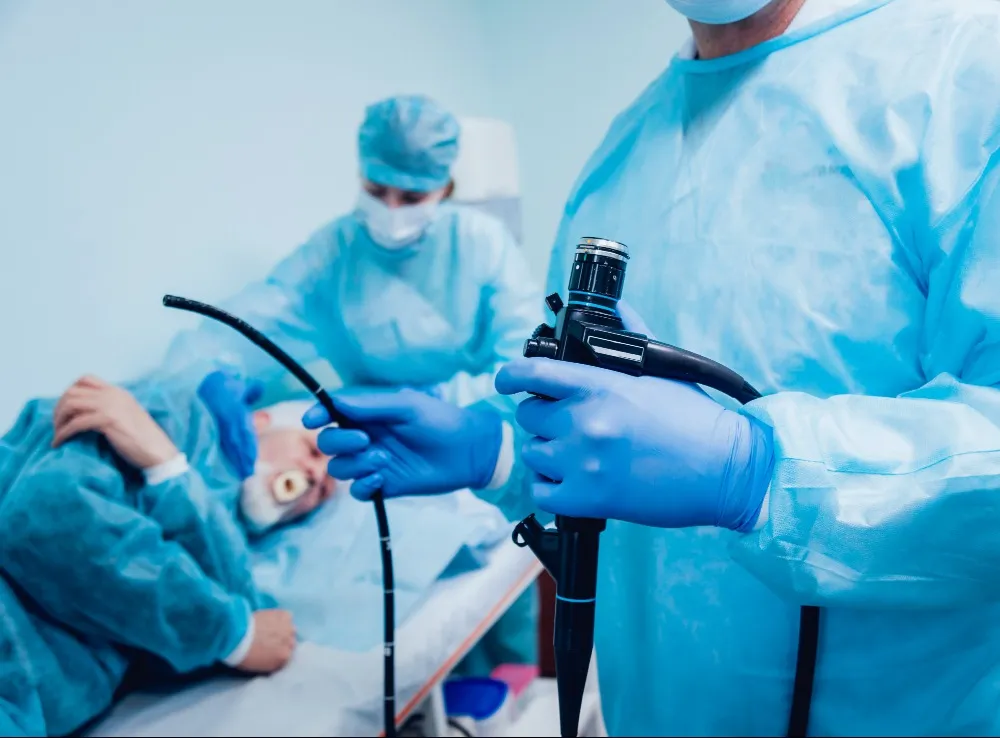
Upper GI endoscopy is a procedure in which a thin, flexible tube fitted with a tiny camera is gently passed through the mouth to examine the oesophagus, stomach, and the first part of the small intestine.
The procedure allows the doctor to:
- View the lining of the upper digestive tract
- Identify inflammation or ulcers
- Detect abnormal growths
- Locate the source of bleeding
- Take tissue samples (biopsy) when required
- Perform certain therapeutic procedures if necessary
Most examinations are completed within a short time and are performed with measures to maximise patient comfort.
When Is an Upper GI Endoscopy Recommended?
A doctor may advise this investigation if symptoms persist despite medication or if warning signs are present.
Common reasons include:
- Persistent heartburn
- Difficulty swallowing
- Chronic upper abdominal pain
- Unexplained nausea or vomiting
- Vomiting blood
- Black stools indicating possible bleeding
- Unexplained weight loss
- Suspected stomach or oesophageal ulcers
The procedure is also valuable for monitoring certain previously diagnosed digestive conditions.
How Should Patients Prepare?
Preparation is straightforward but important for obtaining clear images.
Patients are usually advised to:
- Fast for the recommended number of hours
- Inform the doctor about regular medications
- Mention any allergies or bleeding disorders
- Arrange for someone to accompany them if sedation is planned
- Follow all pre-procedure instructions carefully
Proper preparation helps improve the accuracy and safety of the examination.
What Happens During the Procedure?
After local anaesthetic spray or sedation is administered when appropriate, the endoscope is carefully advanced into the upper digestive tract.
The doctor examines:
- The oesophagus
- The stomach
- The duodenum
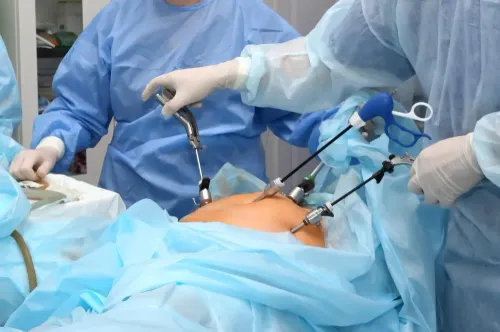
If necessary, small tissue samples can be collected without causing significant discomfort. Certain minor treatments, such as controlling bleeding or removing small growths, may also be performed during the same procedure when indicated.
Is Recovery Quick?
Most patients recover shortly after the procedure.
Temporary symptoms may include:
- Mild throat discomfort
- Bloating due to air introduced during the examination
- Sleepiness if sedation was used
Patients are generally able to resume normal activities according to their doctor's advice, although those receiving sedation should avoid driving for the remainder of the day.
Common Questions About Upper GI Endoscopy
Is the procedure painful?
Most patients experience only mild discomfort. Sedation or local anaesthetic helps improve comfort during the examination.
Why is a biopsy taken?
A biopsy allows laboratory examination of tissue when inflammation, ulcers, infection, or abnormal growths need further evaluation.
Can endoscopy detect cancer?
Upper GI endoscopy helps identify suspicious lesions at an early stage and allows biopsy for accurate diagnosis. It is one of the most effective investigations for evaluating many upper digestive tract disorders.
Why Early Investigation Matters
Ignoring persistent digestive symptoms may delay the diagnosis of conditions that are easier to manage when detected early. An upper GI endoscopy provides valuable information that cannot be obtained through symptoms alone and often helps avoid unnecessary guesswork in treatment.
Patients in Worli and nearby areas of Mumbai experiencing ongoing digestive complaints should seek timely evaluation from an experienced gastrointestinal specialist. Dr Amol Wagh recommends upper GI endoscopy only when clinically appropriate, using the findings to develop an individualised treatment plan that addresses the underlying cause rather than simply managing symptoms.
Keywords