Being advised that a kidney may need to be removed can naturally lead to several questions. Is removal of the entire kidney necessary? Can only the affected portion be treated? Is minimally invasive surgery possible? What happens to kidney function afterwards?
For patients exploring laparoscopic nephrectomy in Tardeo, understanding these questions before making treatment decisions can make the surgical process clearer.
What Is a Nephrectomy?
Nephrectomy means surgical removal of kidney tissue. The exact procedure depends on the underlying condition.
A radical or total nephrectomy removes the affected kidney, while a partial nephrectomy removes the diseased portion while preserving the remaining kidney tissue. The terminology and extent of surgery can vary according to the diagnosis and surgical plan.
The choice is influenced by factors such as:
- Nature and location of the kidney lesion
- Size of the abnormality
- Function of both kidneys
- Relevant imaging findings
- Patient's medical condition
- Technical feasibility of preserving kidney tissue
A recommendation for surgery should therefore be based on individual assessment rather than a standard approach for every kidney problem.
What Does the Laparoscopic Approach Change?
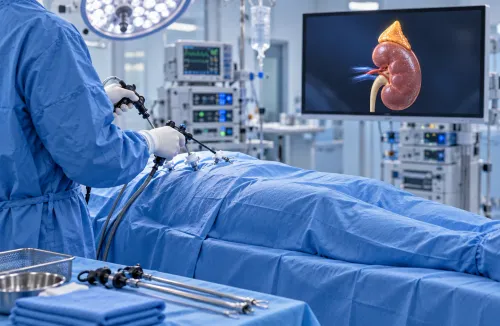
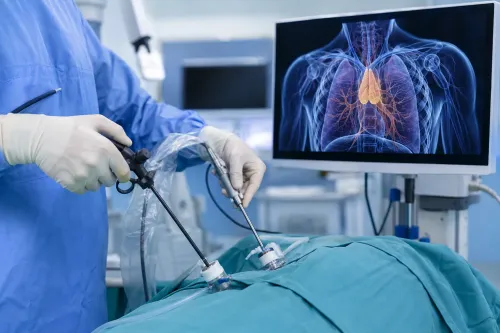
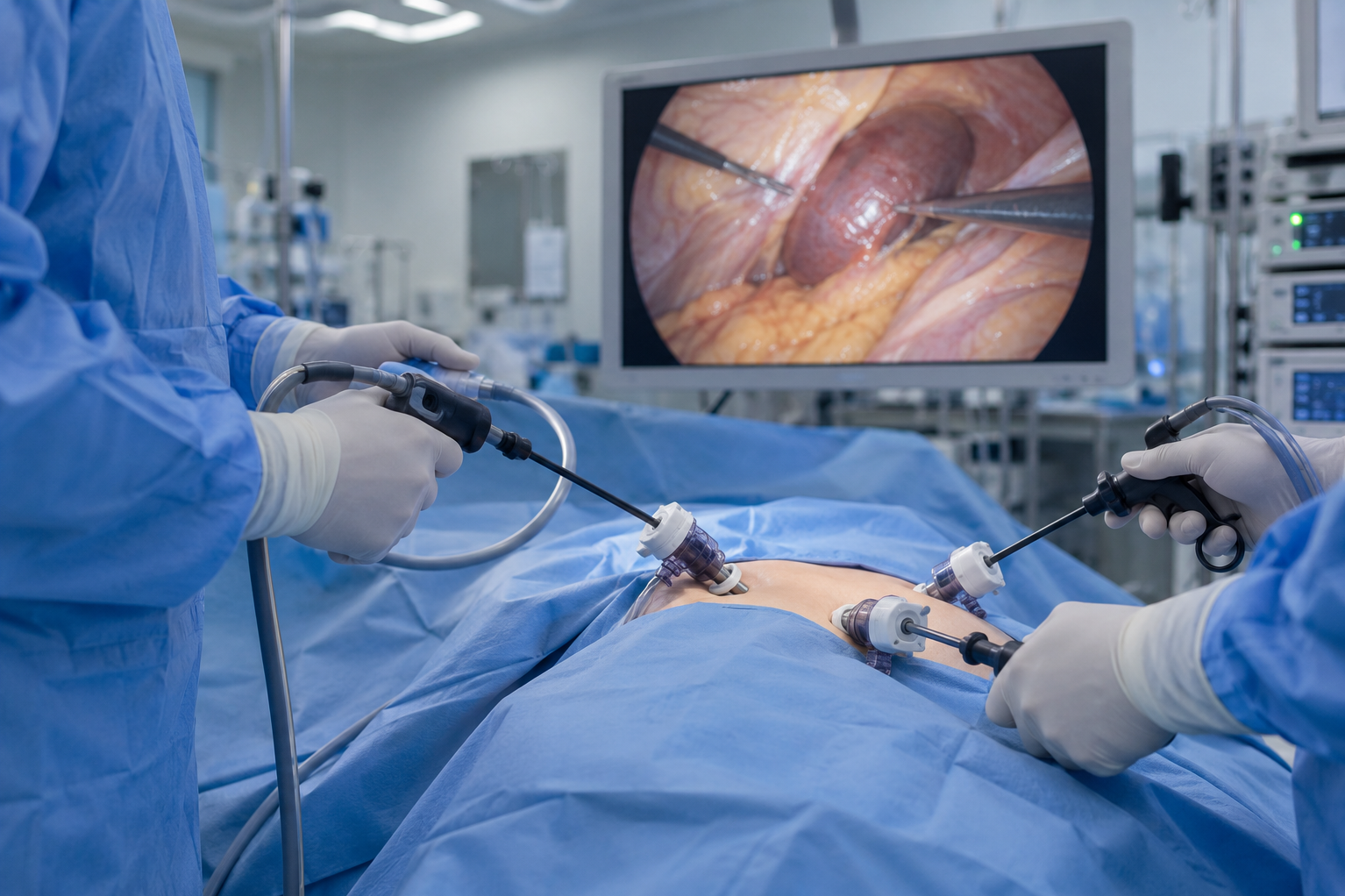
In conventional open surgery, the surgeon reaches the kidney through a larger incision. Laparoscopic nephrectomy uses smaller access points through which a camera and surgical instruments are introduced.
The surgeon works with a magnified internal view while carefully controlling the blood vessels and surrounding structures associated with the kidney.
Minimally invasive surgery can offer practical postoperative advantages in appropriately selected patients, but the technique still represents major surgery. Smaller external incisions should not be mistaken for a minor internal procedure.
What Happens Before Surgery?
Imaging is central to planning kidney surgery. Depending on the clinical situation, the surgeon may review CT scans, MRI findings, ultrasound reports and relevant laboratory investigations.
Kidney function also deserves particular attention.
Blood tests can provide information about renal function, while the condition and function of the opposite kidney may influence treatment decisions. Existing conditions such as diabetes, hypertension, cardiovascular disease or previous abdominal surgery may also affect preparation.
Patients should provide their surgical team with an accurate list of medicines and supplements, particularly anticoagulants or antiplatelet medicines. Changes to prescribed medication should only be made according to the treating team's instructions.
Can a Person Live With One Kidney?
Many people can live with one functioning kidney, but the answer for an individual patient depends on the health and function of the remaining kidney.
After nephrectomy, appropriate medical follow-up may include monitoring kidney function and blood pressure. Patients may also receive personalised guidance based on their medical history.
This makes preoperative assessment particularly important. The goal is not simply to remove the affected kidney but to plan treatment with consideration for overall health and future renal function.
Questions Worth Asking at a Surgical Consultation
Patients can make the consultation more useful by asking:
- Why is kidney removal being recommended?
- Is partial kidney preservation an option in my case?
- Why is laparoscopy suitable or unsuitable?
- What does my scan show about the lesion?
- How is my other kidney functioning?
- What are the important risks in my individual case?
- What should I expect during recovery?
Patients in Tardeo, Mumbai and neighbouring areas of Maharashtra can use these questions when discussing treatment with their surgical team.
Dr Amol Wagh evaluates patients requiring minimally invasive and gastrointestinal surgical care in South Mumbai. Where kidney surgery falls within an individual treatment pathway, detailed review of investigations and the proposed operative approach is an essential part of informed surgical planning.
The most useful decision is one based on the reason for nephrectomy, kidney function, imaging findings and suitability for the proposed surgical technique not simply on the size of the incisions.