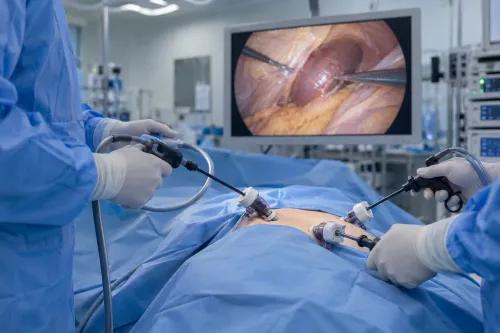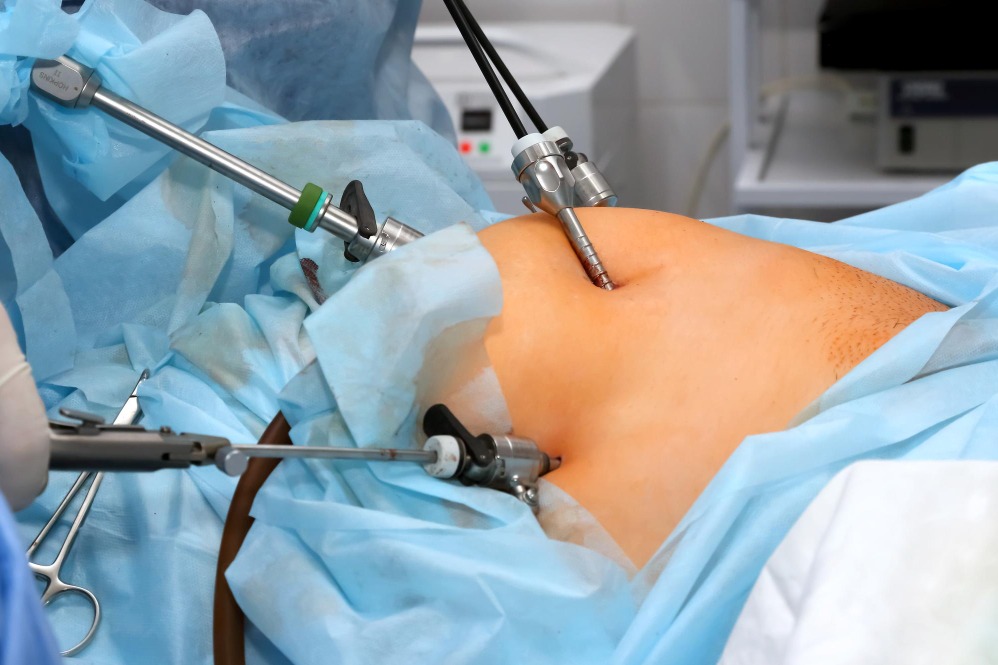
Weight management is not always a simple matter of eating less or exercising more. Severe obesity is a complex health condition that can be associated with diabetes, high blood pressure, sleep apnoea, joint problems, fatty liver disease and other metabolic concerns.
For people researching bariatric surgery in Kemps Corner, an important starting point is understanding that weight-loss surgery is a medical treatment considered for appropriately selected patients rather than a cosmetic shortcut.
What Is Bariatric Surgery?
Bariatric surgery refers to operations designed to support substantial and sustained weight reduction by changing the digestive system in specific ways. Different procedures affect food intake, appetite-related mechanisms, digestion or a combination of these factors.
Common bariatric procedures include sleeve gastrectomy and gastric bypass, although the appropriate option depends on individual circumstances.
A surgeon does not determine suitability from body weight alone.
Assessment can include body mass index, obesity-related medical conditions, previous weight-management efforts, nutritional status, eating patterns, medications, surgical history and readiness to follow long-term lifestyle recommendations.
When Is Surgery Discussed?
Bariatric surgery may be considered for patients who meet recognised clinical criteria and for whom non-surgical approaches have not provided adequate or durable results.
The presence of obesity-related health conditions can also influence the assessment.
Examples include:
- Type 2 diabetes
- Hypertension
- Obstructive sleep apnoea
- Metabolic health problems
- Weight-related mobility difficulties
- Certain obesity-associated liver conditions
Eligibility needs to be determined individually. An online BMI calculation can be informative, but it cannot replace a complete medical and surgical assessment.
Surgery Is One Part of a Longer Programme
One of the biggest misconceptions about bariatric treatment is that the operation completes the weight-management process.
In reality, long-term care matters substantially.
After surgery, patients may need structured dietary progression, adequate protein intake, vitamin or mineral supplementation, physical activity and regular follow-up. The exact requirements depend on the procedure and individual medical needs.
Patients also need to understand how their relationship with food may change after surgery. Eating portions, meal pace, hydration and food tolerance can require adjustment.
What Should Be Evaluated Before Choosing a Procedure?
Different bariatric operations have different mechanisms, benefits, limitations and follow-up considerations. A procedure that suits one patient may not be the right choice for another.
The evaluation should consider:
- Current BMI and weight history
- Existing metabolic conditions
- Gastrointestinal symptoms
- Previous abdominal surgery
- Nutritional factors
- Long-term medication requirements
- Lifestyle and eating patterns
- Ability to attend follow-up
Patients should also discuss potential complications and the possibility that additional treatment may occasionally be needed.
What Makes Preparation Important?
Preparation gives patients time to understand the practical changes that follow bariatric surgery.
It can also identify issues that should be addressed beforehand. Depending on individual needs, this may involve medical investigations, nutritional assessment and evaluation of obesity-associated conditions.
For patients around Kemps Corner and South Mumbai, Maharashtra, proximity to follow-up care can also be useful because bariatric treatment extends well beyond the day of surgery.
Dr Amol Wagh assesses patients considering bariatric and minimally invasive surgical treatment. A consultation should provide an opportunity to discuss whether surgery is indicated, which procedure may be appropriate, the expected lifestyle commitments and the potential benefits and risks.
Bariatric surgery should ultimately be viewed as a tool within structured obesity care. The strongest treatment plan is one in which the operation, nutrition, medical management, activity and long-term follow-up work together.