Sleeve gastrectomy is one of the surgical procedures used in the management of obesity, but its purpose and long-term requirements are sometimes misunderstood. It does more than simply make the stomach smaller, and successful postoperative care involves more than waiting for surgical wounds to heal.
Patients considering laparoscopic sleeve gastrectomy in Girgaon should understand what physically changes during surgery, how eating patterns change afterwards and why ongoing follow-up remains important.
What Happens During Sleeve Gastrectomy?
During a sleeve gastrectomy, a substantial portion of the stomach is surgically removed, leaving a narrower, tube-shaped stomach.
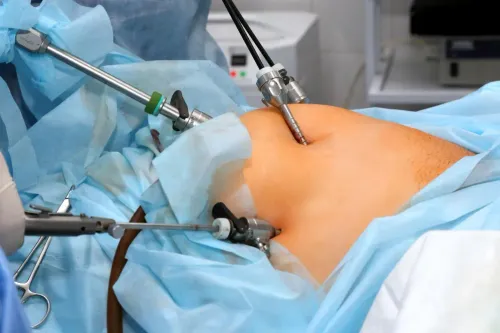
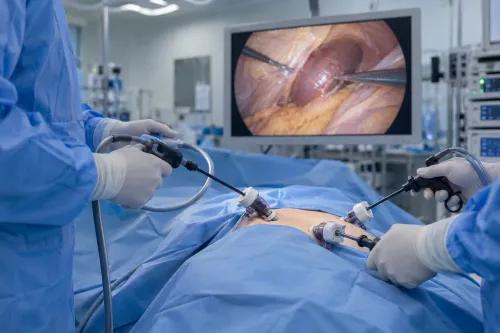
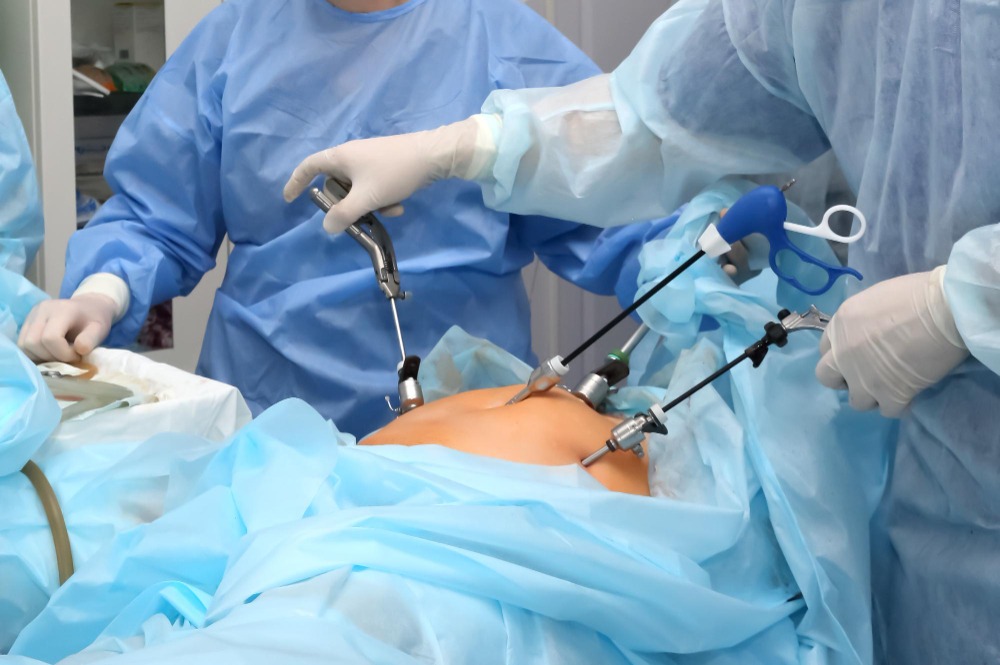
When performed laparoscopically, the surgeon operates through small abdominal access points using a camera and specialised instruments.
The procedure reduces the stomach's capacity and can also affect biological signals involved in appetite and satiety. It is, however, an irreversible anatomical operation, which makes informed decision-making essential.
Who May Be Evaluated for the Procedure?
Sleeve gastrectomy is not selected simply because someone wants to lose a particular number of kilograms.
A bariatric assessment considers the severity of obesity, associated medical conditions, previous weight-management attempts and the patient's overall health. The surgeon also needs to assess whether sleeve gastrectomy is appropriate compared with other available approaches.
Certain gastrointestinal symptoms and medical factors can influence procedure selection, which is why choosing a bariatric operation solely from online comparisons can be misleading.
What Does Eating Look Like After Surgery?
Patients do not generally return immediately to their usual diet.
Postoperative nutrition commonly progresses through stages according to the treating team's protocol. This may begin with liquids and gradually advance in texture as recovery progresses.
Long-term habits can include:
- Eating smaller portions
- Eating slowly
- Chewing thoroughly
- Prioritising appropriate nutrition
- Maintaining hydration as instructed
- Avoiding habits that cause discomfort or undermine weight-management goals
- Taking prescribed supplements where required
Individual instructions can vary, so patients should follow the plan given by their own bariatric team.
What About Weight Loss?
Weight reduction after sleeve gastrectomy varies.
Starting weight, dietary behaviour, activity, metabolic health, follow-up and individual biological factors can all affect outcomes. A specific amount of weight loss should therefore not be promised before surgery.
Patients may also experience changes in obesity-related health conditions, but these need ongoing medical monitoring. Medicines for diabetes, hypertension or other conditions should not be altered without appropriate medical supervision.
Recovery Is More Than Incision Healing
Small laparoscopic incisions may heal relatively quickly, but internal recovery and adaptation continue afterwards.
The early postoperative period involves monitoring for expected recovery as well as potential complications. Patients should receive clear instructions about symptoms that require prompt medical attention.
Follow-up visits can then focus on nutrition, hydration, weight progression, laboratory monitoring where indicated and the gradual return to regular activities.
Prepare Questions Before Your Appointment
Someone considering sleeve gastrectomy can ask:
- Why is sleeve gastrectomy being recommended for me?
- Are there reasons another bariatric procedure might be preferable?
- What investigations do I need?
- What dietary changes begin immediately after surgery?
- What supplementation may be necessary?
- How frequently will I need follow-up?
- What risks are particularly relevant to my health history?
For patients in Girgaon, Mumbai and the wider South Mumbai region of Maharashtra, these questions help shift the discussion from simply “having weight-loss surgery” to building a complete treatment plan.
Dr Amol Wagh provides evaluation for minimally invasive and bariatric surgical procedures. Patients considering sleeve gastrectomy can use a surgical consultation to understand candidacy, procedure selection, preparation and long-term responsibilities before deciding whether surgery is appropriate.