The adrenal glands are small glands located above the kidneys, but conditions affecting them can sometimes require surgical treatment. When an adrenal gland needs to be removed, a minimally invasive procedure may be considered instead of conventional open surgery. Patients researching laparoscopic adrenalectomy in Byculla often want to understand why the operation is performed, how it is approached, and what evaluation is necessary before surgery.
An adrenalectomy involves removing one adrenal gland, or occasionally part of the gland depending on the condition and planned procedure. The decision to operate is not based simply on the presence of an adrenal lump. Its size, appearance, hormone activity, symptoms, growth pattern, and the patient's overall health all influence treatment planning.
Why Might an Adrenal Gland Need to Be Removed?
Adrenal masses may be discovered because a patient develops symptoms or incidentally during imaging performed for another medical reason.
Surgery may be considered for selected adrenal conditions, including certain:
- Hormone-producing adrenal tumours
- Adrenal masses with concerning imaging characteristics
- Large or enlarging adrenal lesions
- Pheochromocytomas
- Aldosterone-producing tumours
- Cortisol-producing adrenal lesions
- Other adrenal conditions where removal is clinically appropriate
Not every adrenal lesion requires surgery. Some can be monitored after appropriate hormonal testing and imaging.
How Laparoscopic Adrenalectomy Is Performed
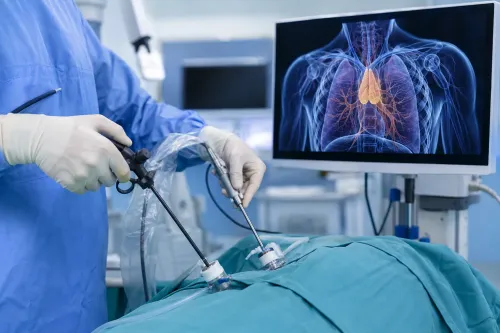
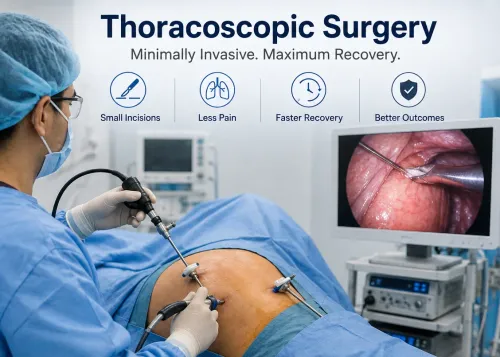
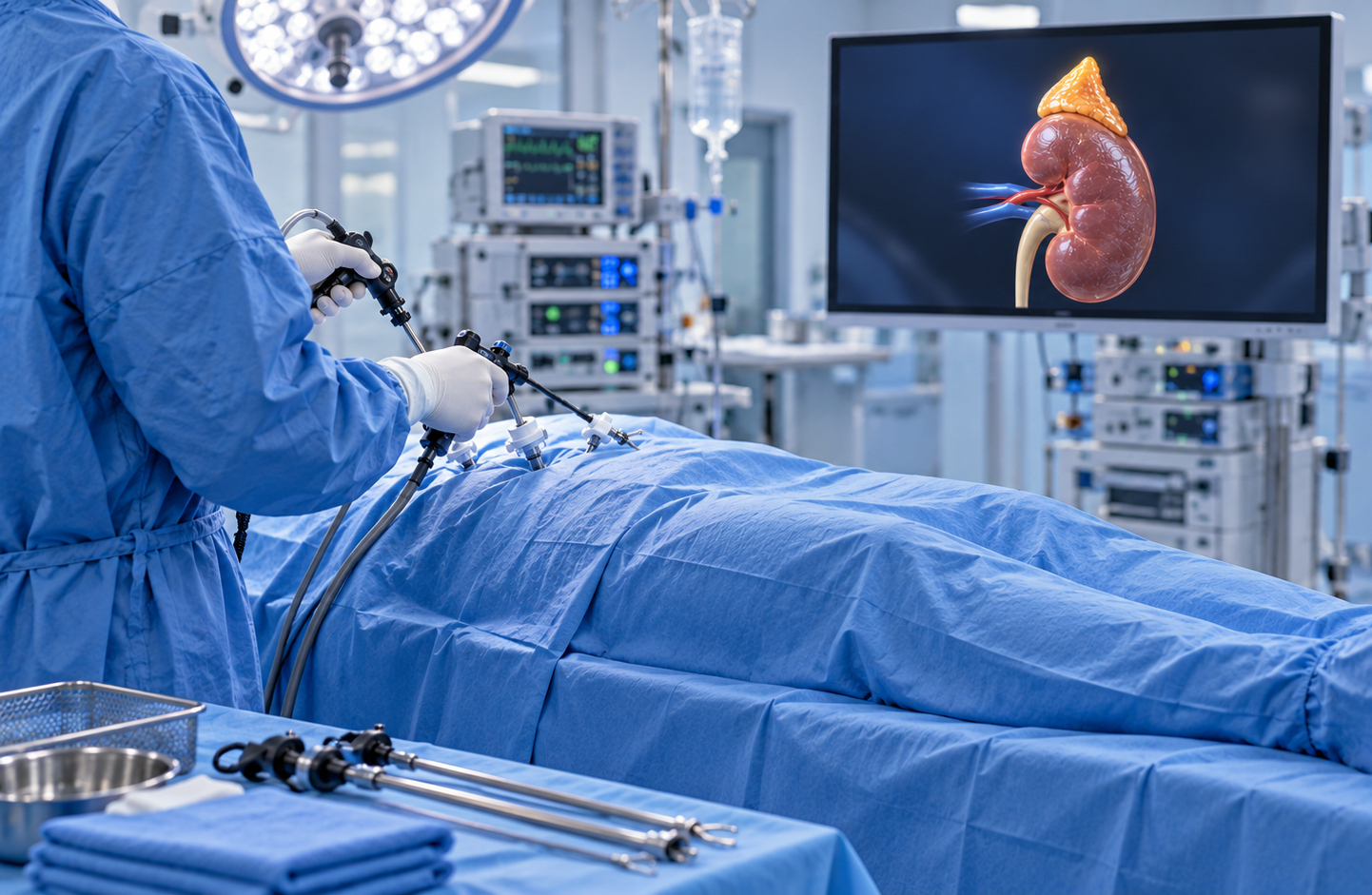
Laparoscopic surgery uses several small incisions rather than the larger incision generally associated with traditional open abdominal surgery. A camera and specialised surgical instruments are introduced through these access points so the surgeon can visualise and remove the affected adrenal gland.
Because adrenal glands lie close to important structures, including the kidneys and major blood vessels, careful surgical planning is essential.
Depending on the individual case, factors such as tumour size, location, previous abdominal operations and suspicion of malignancy can influence whether a laparoscopic approach is suitable.
Why Hormonal Assessment Matters
One of the most important aspects of adrenal surgery happens before entering the operating theatre.
Some adrenal tumours release excess hormones. This can affect blood pressure, potassium levels, blood sugar, heart rate and other body functions. Certain hormone-producing tumours require specific medication and preparation before surgery.
This is why patients should expect investigations beyond a routine abdominal scan. The preoperative assessment may include blood tests, urine tests, endocrine evaluation and detailed imaging based on the suspected adrenal condition.
What Recovery Can Involve
Recovery differs from patient to patient. The type of adrenal disorder, complexity of surgery, general health and whether additional hormonal management is necessary can all influence the postoperative course.
After surgery, the clinical team may monitor:
- Blood pressure and pulse
- Pain and wound condition
- Fluid intake and diet
- Mobility
- Relevant hormone levels
- Blood tests where required
Patients are usually encouraged to follow individual instructions regarding activity, wound care, medicines and follow-up appointments rather than comparing their recovery with someone else's experience.
When Specialist Surgical Evaluation Is Useful
A scan showing an adrenal mass does not automatically mean that an operation is required. Equally, a lesion that appears relatively small may still require detailed assessment if it is producing hormones or has other clinically significant features.
For people in Byculla and surrounding South Mumbai, Maharashtra, consultation with a surgeon experienced in minimally invasive abdominal procedures can help establish whether observation, additional testing or surgery is appropriate.
Dr Amol Wagh provides surgical evaluation for patients considering minimally invasive treatment for abdominal conditions, including selected adrenal disorders. A useful consultation should focus on the diagnosis, test results, suitability for laparoscopy, possible alternatives and the expected postoperative plan.
The key question is therefore not simply whether an adrenal gland can be removed laparoscopically. It is whether laparoscopic adrenalectomy is the appropriate and safe approach for the individual condition after complete evaluation.