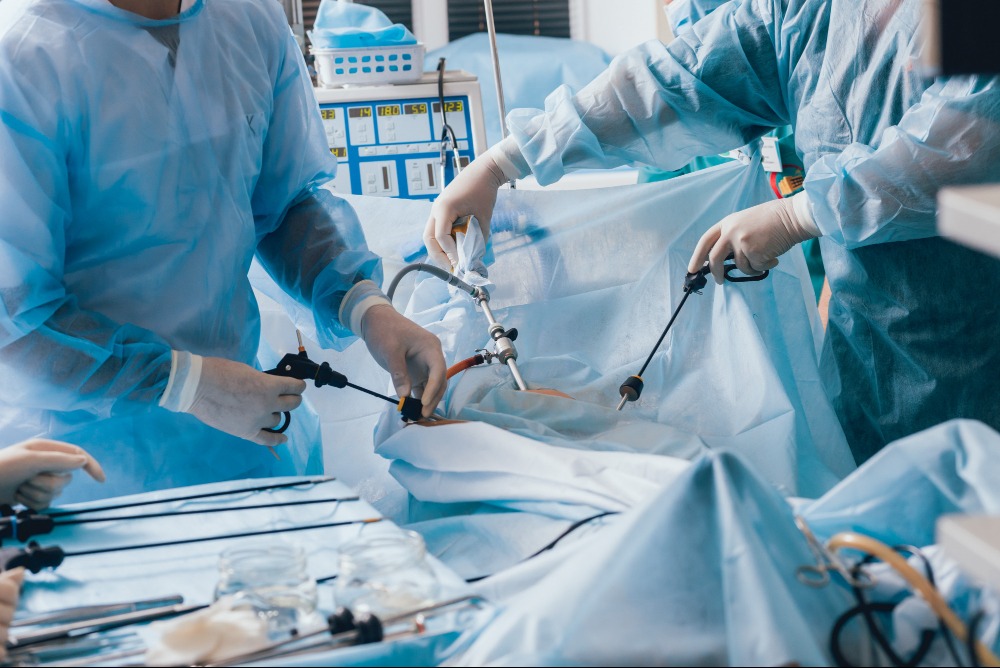
Diseases affecting the colon can range from benign conditions to complex disorders that require surgical treatment. While hearing the word 'colon surgery' may cause anxiety, advances in minimally invasive techniques have changed the way many procedures are performed. Today, Laparoscopic Colonic Surgery in Tardeo is widely used for suitable patients because it combines effective treatment with the benefits of smaller incisions and quicker recovery.
Understanding why colon surgery is performed and what patients can expect before and after the procedure can make the treatment journey less stressful.
What Is Laparoscopic Colonic Surgery?
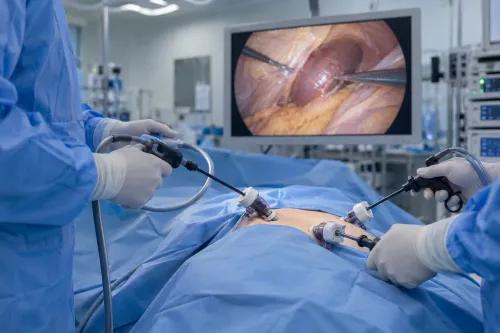
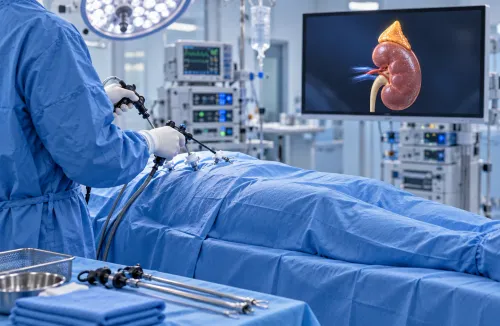
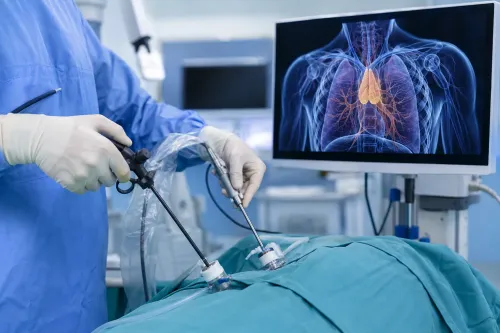
Laparoscopic colonic surgery is a minimally invasive procedure used to treat diseases affecting the large intestine. Instead of making one large incision, the surgeon performs the operation through several small openings using a laparoscope and specialized surgical instruments.
The procedure may involve removing a diseased portion of the colon while preserving as much healthy tissue as possible.
The surgical approach is determined by the patient's diagnosis, medical history, and overall condition.
Conditions That May Require Colon Surgery
Several medical conditions can make surgery necessary.
These include:
- Colon cancer
- Diverticular disease
- Large benign polyps that cannot be removed endoscopically
- Certain inflammatory bowel diseases
- Recurrent bowel obstruction
- Colon injuries
- Selected congenital conditions
Not every patient with these conditions requires surgery, making specialist evaluation essential.
Why Is the Laparoscopic Approach Preferred?
For appropriately selected patients, laparoscopic surgery offers several advantages compared with conventional open surgery.
Potential benefits include:
- Smaller incisions
- Less postoperative discomfort
- Earlier movement after surgery
- Reduced hospital stay in many cases
- Lower risk of wound-related complications
- Faster return to everyday activities
- Improved cosmetic outcome
The final surgical plan always depends on the patient's individual medical needs.
How Should Patients Prepare?
Preparation begins well before the day of surgery.
The preoperative assessment may include:
- Detailed medical history
- Physical examination
- Blood investigations
- Colonoscopy findings
- CT scan or other imaging when required
- Anaesthesia evaluation
Patients may also receive instructions regarding bowel preparation, fasting, and medication adjustments.
Following these recommendations carefully helps improve surgical safety.
What Happens During Recovery?
Recovery after laparoscopic colon surgery is gradual but structured.
Patients are generally encouraged to:
- Walk early after surgery
- Perform breathing exercises
- Resume eating according to medical advice
- Drink adequate fluids
- Follow wound care instructions
- Attend scheduled follow-up visits
Recovery time varies depending on the extent of surgery and the patient's overall health.
Questions Patients Frequently Ask
Many individuals are concerned about returning to normal life.
Common questions include:
Will I have a large scar?
Most laparoscopic procedures involve only small incisions.
How soon can I return to work?
This depends on the type of surgery and the physical demands of your occupation.
Will my diet change permanently?
Most patients gradually return to a balanced diet, although specific recommendations depend on the condition treated.
Is laparoscopic surgery suitable for everyone?
Not always. Certain complex conditions may require a different surgical approach.
The Importance of Early Consultation
Many colon disorders are easier to manage when diagnosed early. Ignoring symptoms such as persistent abdominal pain, changes in bowel habits, unexplained weight loss, or rectal bleeding can delay treatment and increase the risk of complications.
People living in Tardeo and nearby areas of Mumbai who experience ongoing digestive symptoms should seek specialist evaluation rather than relying on repeated self-medication.
Dr Amol Wagh provides comprehensive assessment for patients requiring gastrointestinal surgery, carefully selecting the most appropriate treatment approach based on diagnosis, disease severity, and overall health. Individualized care helps patients understand every stage of treatment, from diagnosis through recovery, allowing them to make informed decisions with confidence.