Gallbladder problems often begin with occasional discomfort after meals, but they can gradually interfere with daily life if left untreated. Gallstones, repeated inflammation, and persistent pain may eventually require surgical treatment. In many cases today, surgeons recommend Robotic Cholecystectomy in Worli because it combines minimally invasive techniques with advanced surgical precision.
For people living in Mumbai, especially around Worli and nearby areas of South Mumbai, understanding how robotic gallbladder surgery works can help reduce anxiety and support informed decision-making.
What Is Robotic Cholecystectomy?
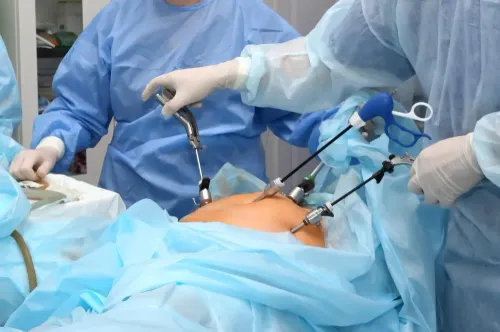
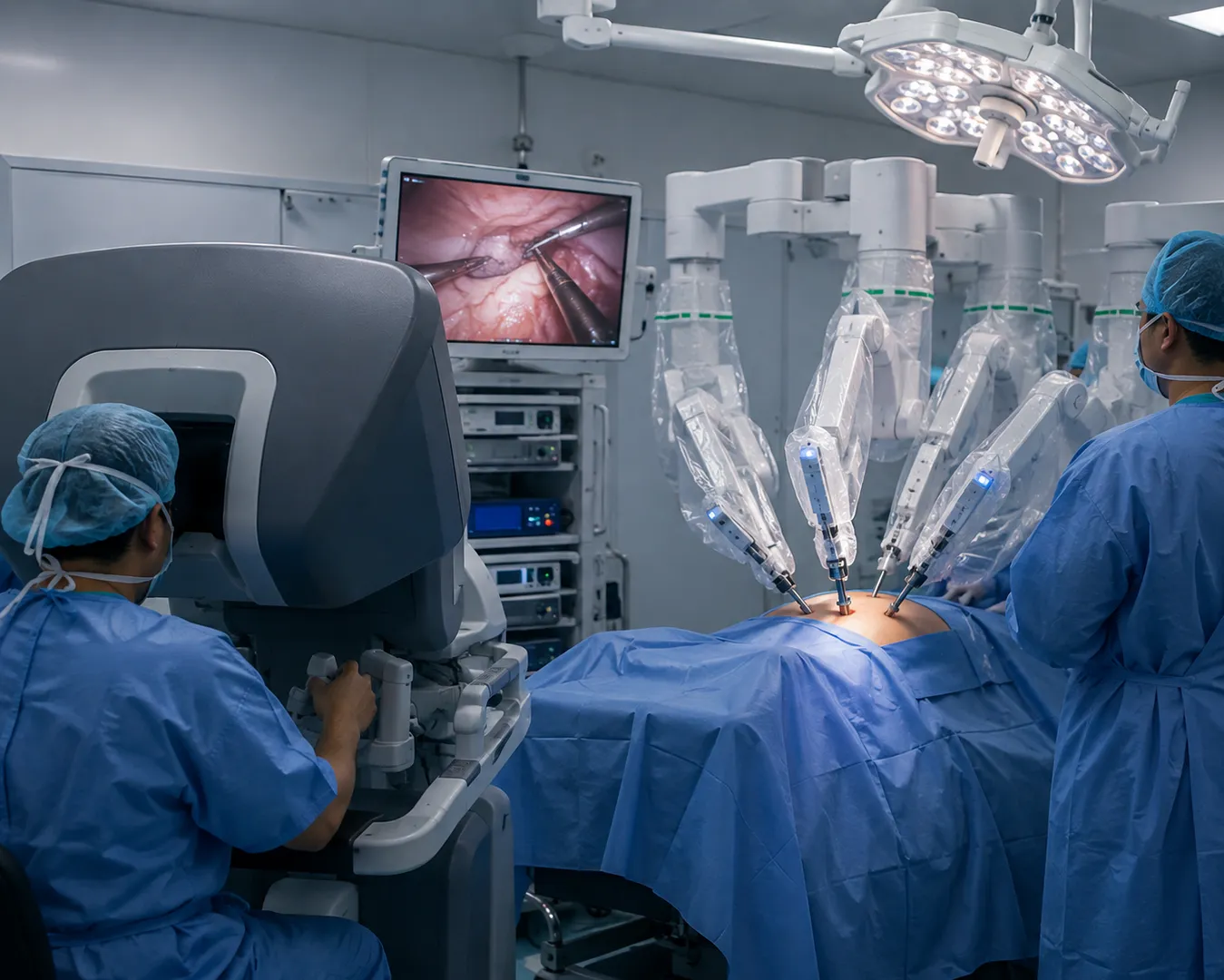
A robotic cholecystectomy is a minimally invasive procedure used to remove the gallbladder with the assistance of a robotic surgical system. Despite the name, the robot does not perform the surgery independently. Every movement is controlled by the surgeon through a specialized console.
The robotic platform provides:
- Enhanced three-dimensional visualization
- High-definition magnification
- Improved instrument flexibility
- Greater precision during delicate surgical steps
- Better control in complex anatomical situations
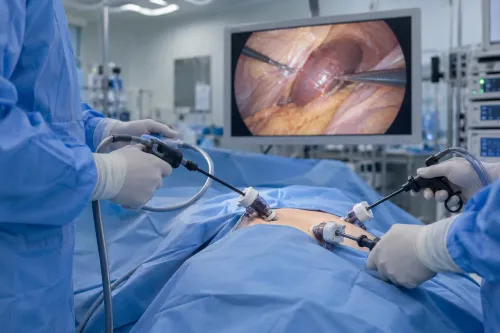
These features allow surgeons to perform the procedure through small incisions while preserving surrounding tissues.
Why Might Gallbladder Removal Be Necessary?
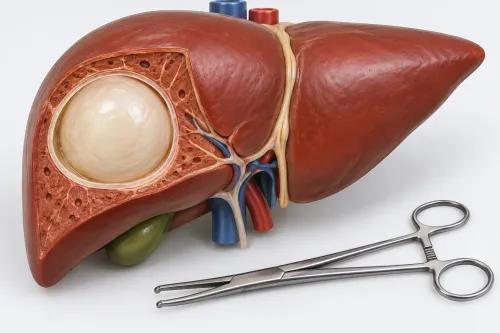
The gallbladder stores bile, which helps digest fats. Certain conditions can interfere with its normal function, making surgery the most effective treatment.
Common reasons include:
- Gallstones causing repeated pain
- Acute or chronic gallbladder inflammation
- Gallbladder infection
- Blocked bile ducts caused by stones
- Gallbladder polyps requiring evaluation
- Poorly functioning gallbladder causing persistent symptoms
While some gallstones remain symptom-free, others can lead to severe abdominal pain or complications if not treated.
Symptoms That Should Not Be Ignored
Many patients experience recurring symptoms before seeking medical advice.
Typical warning signs include:
- Pain in the upper right abdomen
- Pain after eating oily or heavy meals
- Nausea and vomiting
- Indigestion that keeps returning
- Bloating after meals
- Pain radiating to the back or right shoulder
- Fever during gallbladder infection
Persistent or worsening symptoms should always be evaluated by a qualified gastrointestinal surgeon.
How Robotic Surgery Differs From Conventional Surgery
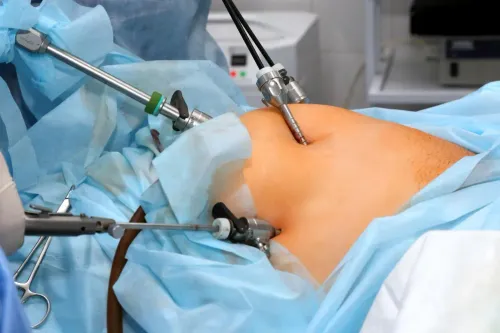
Traditional open surgery requires a larger incision, while robotic surgery uses several small ports.
Some advantages commonly associated with robotic surgery include:
- Smaller surgical incisions
- Improved surgical precision
- Better visualization of delicate structures
- Reduced tissue trauma
- Potentially shorter hospital stay
- Faster return to normal activities for many patients
- Smaller scars compared to open procedures
The most appropriate surgical approach depends on each patient's medical condition and overall health.
Who May Benefit From Robotic Cholecystectomy?
Not every patient requires robotic surgery, but it may be considered for individuals with:
- Symptomatic gallstones
- Recurrent gallbladder attacks
- Chronic gallbladder inflammation
- Obesity requiring minimally invasive surgery
- Previous abdominal surgery where enhanced visualization may be beneficial
- Complex gallbladder anatomy
A comprehensive clinical assessment helps determine the most suitable treatment option.
What Happens Before the Procedure?
Preparation usually involves a detailed medical evaluation.
Patients may undergo:
- Physical examination
- Blood investigations
- Ultrasound imaging
- Additional scans if required
- Medication review
- Anaesthesia assessment
Following preoperative instructions helps reduce surgical risks and supports smoother recovery.
Recovery After Surgery
Recovery varies between individuals, but many patients resume light daily activities within a relatively short period after minimally invasive surgery.
Recovery recommendations generally include:
- Walking regularly after surgery
- Staying hydrated
- Following dietary advice
- Avoiding heavy lifting temporarily
- Attending scheduled follow-up visits
- Watching for unusual symptoms such as fever or persistent pain
Most patients gradually return to normal routines as healing progresses.
Is Robotic Gallbladder Surgery Safe?
Like every surgical procedure, robotic cholecystectomy carries certain risks. However, when performed by trained specialists with appropriate patient selection, it has become a well-established option for gallbladder removal.
The surgeon considers factors such as medical history, imaging findings, and overall fitness before recommending the procedure.
Choosing the Right Surgical Care
Patients in Worli and surrounding parts of South Mumbai often seek minimally invasive surgical options that combine advanced technology with experienced clinical judgment. Consulting an experienced gastrointestinal and robotic surgeon allows patients to understand available treatment options, expected recovery, and potential benefits specific to their condition.
Dr Amol Wagh provides comprehensive evaluation for gallbladder disorders and recommends individualized treatment based on clinical findings rather than a one-size-fits-all approach. Early consultation can help prevent recurrent gallbladder attacks and reduce the risk of complications associated with untreated gallstone disease.
Keywords