When surgery involving the stomach is recommended, many patients focus primarily on the procedure itself. However, recovery plays an equally important role in achieving a successful outcome. Whether surgery is performed for stomach cancer, certain non-cancerous conditions, or obesity in selected cases, understanding what to expect after Laparoscopic Gastrectomy in Byculla can help patients prepare both physically and emotionally.
Advances in minimally invasive surgery have made laparoscopic gastrectomy an effective option for many patients, offering a recovery experience that is often different from traditional open surgery.
What Is Laparoscopic Gastrectomy?
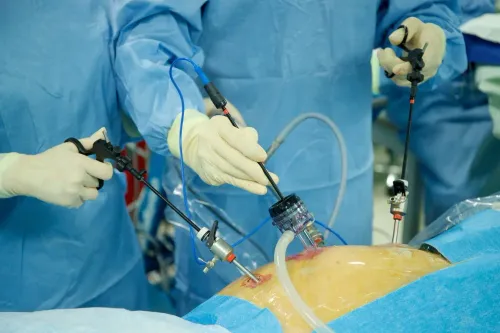
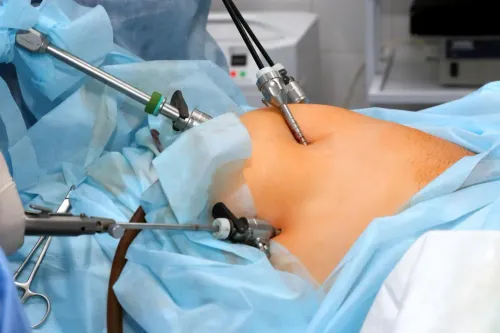
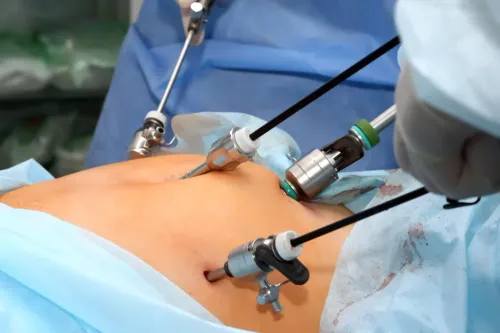
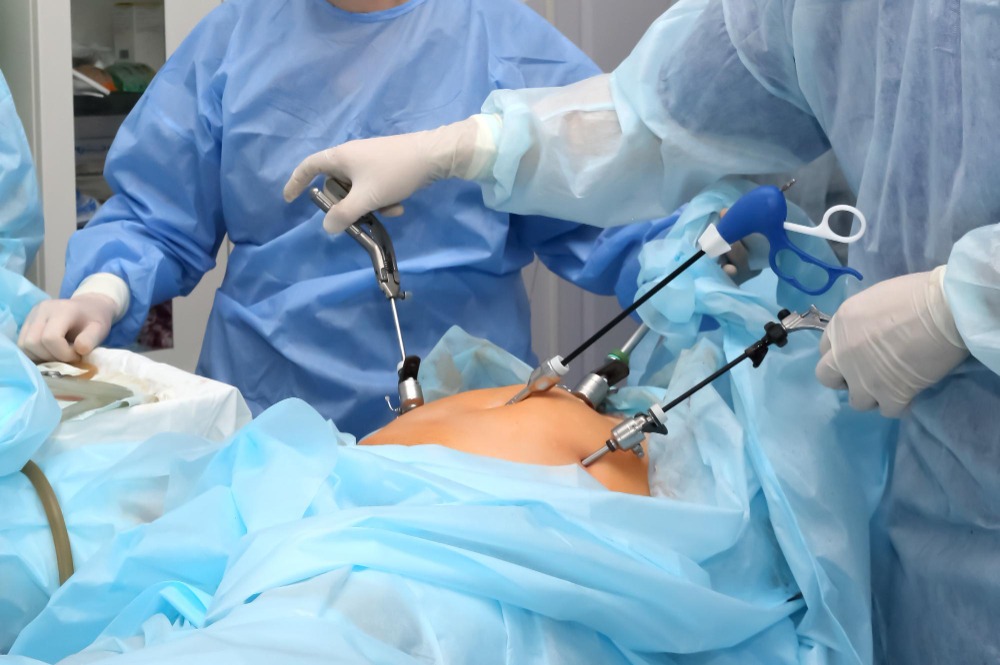
A gastrectomy is a surgical procedure in which part or all of the stomach is removed, depending on the underlying condition. During laparoscopic surgery, the operation is performed through several small incisions using a camera and specialized instruments.
The exact procedure depends on factors such as:
- The reason for surgery
- The location of the disease
- The amount of stomach that needs removal
- The patient's overall health
- Whether nearby lymph nodes also require treatment
Because every case is unique, surgical planning is highly individualized.
Conditions That May Require Gastrectomy
A laparoscopic gastrectomy may be recommended for several medical conditions, including:
- Early-stage stomach cancer
- Selected gastrointestinal tumours
- Certain non-healing stomach ulcers
- Severe obesity requiring bariatric surgery in carefully selected patients
- Rare stomach disorders that do not respond to other treatments
A thorough diagnostic evaluation helps determine whether surgery is appropriate.
What Happens Immediately After Surgery?
Following surgery, patients are monitored closely by the medical team.
The initial recovery period generally includes:
- Pain management
- Monitoring of vital signs
- Gradual movement out of bed
- Breathing exercises
- Prevention of blood clots through early mobilisation
- Careful observation of wound healing
Most patients are encouraged to begin walking as soon as it is considered safe.
How Does Eating Change During Recovery?
One of the biggest adjustments after gastrectomy involves nutrition.
Patients usually progress through different stages:
- Clear liquids
- Full liquids
- Soft foods
- Small balanced meals
- Gradual return to a regular diet as advised
Since the stomach's capacity changes after surgery, eating smaller portions more frequently becomes an important part of recovery.
Nutritional counselling is often included to help patients meet their dietary needs.
Benefits of the Laparoscopic Approach
Compared with open surgery, laparoscopic techniques may provide several advantages for suitable patients.
These can include:
- Smaller incisions
- Reduced postoperative discomfort
- Lower blood loss in many cases
- Faster mobilisation
- Shorter hospital stay where appropriate
- Improved cosmetic healing
The overall recovery timeline depends on the individual's health and the complexity of the surgery.
Common Questions During Recovery
Patients often ask whether they can return to their normal routines.
Recovery recommendations typically include:
- Walking daily
- Avoiding heavy lifting initially
- Staying well hydrated
- Following dietary instructions carefully
- Taking prescribed medications
- Attending follow-up appointments
Returning to work depends on the nature of the job and individual healing progress.
When Should Medical Advice Be Sought?
Although most patients recover without major issues, it is important to report symptoms such as:
- Persistent fever
- Severe abdominal pain
- Continuous vomiting
- Difficulty swallowing
- Increasing wound redness
- Bleeding
- Sudden swelling
Prompt medical attention helps identify complications early.
Choosing the Right Surgical Team
Patients in Byculla and nearby parts of Mumbai often seek experienced surgeons who can provide both advanced surgical care and structured postoperative guidance. Successful treatment depends not only on the operation itself but also on careful follow-up and nutritional management.
Dr Amol Wagh evaluates every patient individually before recommending laparoscopic gastrectomy, ensuring that surgical planning is based on clinical findings, imaging studies, and long-term treatment goals. With appropriate preparation and postoperative care, many patients are able to recover steadily and resume their daily activities with confidence.