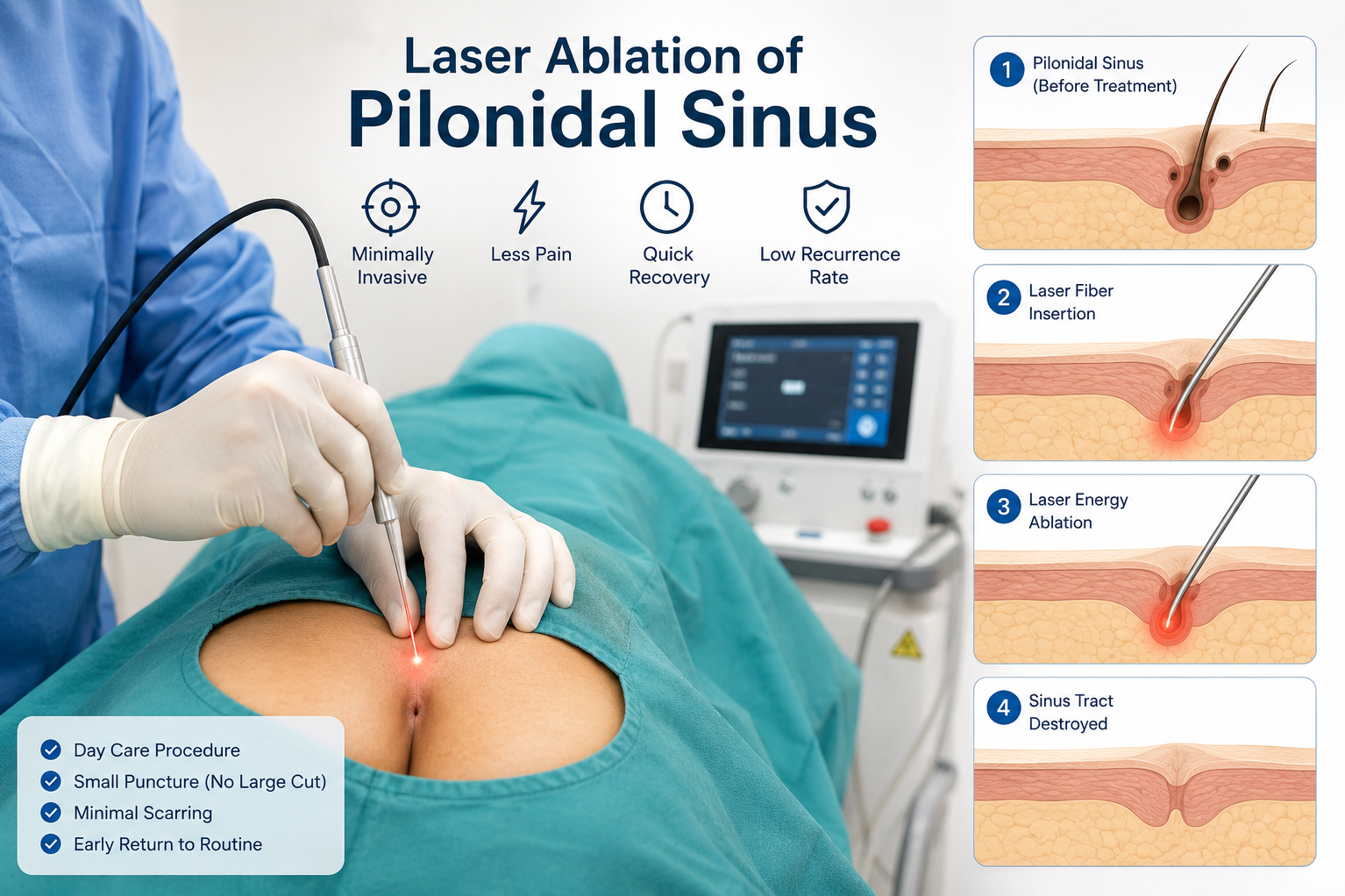
A pilonidal sinus often begins as a small swelling near the tailbone that many people mistake for a simple skin infection. Over time, it can become painful, repeatedly infected, and interfere with sitting, walking, or daily activities. If conservative treatment does not provide lasting relief, Laser Ablation of Pilonidal Sinus in Mumbai Central may be recommended for suitable patients.
Understanding the symptoms and knowing when to seek medical advice can help prevent repeated infections and unnecessary discomfort.
What Is a Pilonidal Sinus?
A pilonidal sinus is a small tunnel or cavity that develops beneath the skin, usually in the cleft between the buttocks. It often contains hair, debris, and infected tissue.
The condition is more common in:
- Young adults
- People who sit for long hours
- Individuals with excessive body hair
- Those with obesity
- People who experience frequent friction around the lower back
Although it may start as a minor issue, repeated infections can make treatment more complicated if left unattended.
Early Symptoms That Should Not Be Ignored
The first signs are often mild, causing many people to delay treatment.
Common symptoms include:
- A small swelling near the tailbone
- Tenderness while sitting
- Redness around the affected area
- Occasional discharge
- Foul-smelling fluid
- Mild discomfort after prolonged sitting
Early evaluation allows treatment before a large abscess develops.
When the Condition Becomes More Serious
Without appropriate treatment, a pilonidal sinus can become repeatedly infected.
You should seek medical attention if you experience:
- Increasing pain
- Fever
- Persistent pus discharge
- Bleeding from the sinus
- Difficulty sitting comfortably
- Recurrent swelling after previous treatment
Repeated infections may create additional sinus tracts, making management more complex.
How Does Laser Ablation Work?
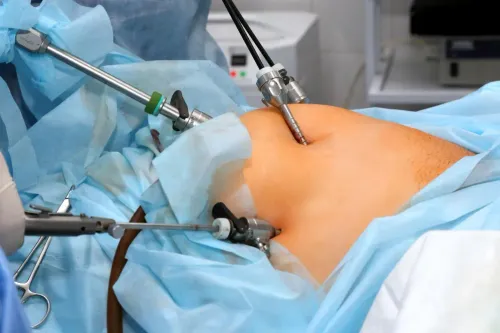
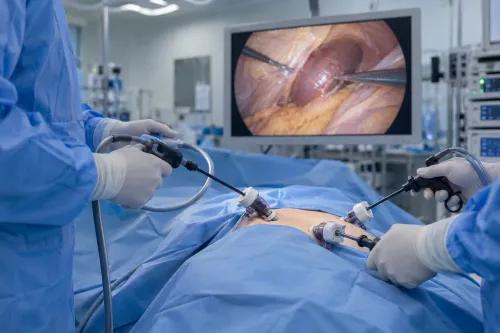
Laser ablation is a minimally invasive technique that treats the sinus tract using laser energy after cleaning the infected cavity.
The procedure aims to:
- Remove infected material
- Destroy the sinus lining
- Close the tract from within
- Promote natural healing
Unlike conventional surgery, laser treatment usually involves smaller wounds and preserves more healthy tissue.
Benefits Compared With Traditional Surgery
For carefully selected patients, laser treatment may offer several advantages.
These may include:
- Smaller surgical wounds
- Less postoperative discomfort
- Reduced bleeding
- Faster recovery
- Earlier return to work
- Minimal scarring
- Lower disruption to daily life
The choice of treatment depends on the size, complexity, and recurrence of the sinus.
Recovery Tips After Treatment
Successful healing depends on both the procedure and proper postoperative care.
Patients are generally advised to:
- Keep the area clean and dry
- Follow dressing instructions carefully
- Avoid prolonged sitting during early recovery
- Maintain good hygiene
- Attend follow-up appointments
- Remove excess hair if advised by the surgeon
Following these recommendations can help reduce the risk of recurrence.
Can a Pilonidal Sinus Return?
Yes. Even after successful treatment, recurrence is possible if contributing factors remain unaddressed.
Reducing the risk involves:
- Maintaining a healthy weight
- Improving hygiene
- Preventing prolonged pressure on the area
- Following long-term hair management recommendations
- Seeking early treatment if symptoms return
Regular follow-up is especially important for patients with recurrent disease.
Why Early Evaluation Makes a Difference
Many people continue treating repeated infections with antibiotics alone, only to find that the problem keeps returning. Since antibiotics cannot eliminate the sinus tract itself, surgical evaluation is often necessary for lasting relief.
Patients in Mumbai Central and nearby parts of Mumbai who experience recurring swelling or discharge near the tailbone should consult an experienced gastrointestinal and minimally invasive surgeon. Dr Amol Wagh evaluates each case individually and recommends treatment based on the extent of the disease, helping patients receive care that is both effective and appropriate for their condition.