A diagnosis involving the thymus gland can leave patients with many questions. Whether surgery is recommended because of a thymoma, an enlarged thymus, or as part of treatment for myasthenia gravis, understanding the procedure can reduce uncertainty. Thymectomy in Charni Road is performed to remove the thymus gland, and in many cases, minimally invasive surgical techniques may be considered depending on the patient's condition.
Learning what happens before, during, and after surgery helps patients prepare for a smoother treatment journey.
What Is the Thymus Gland?
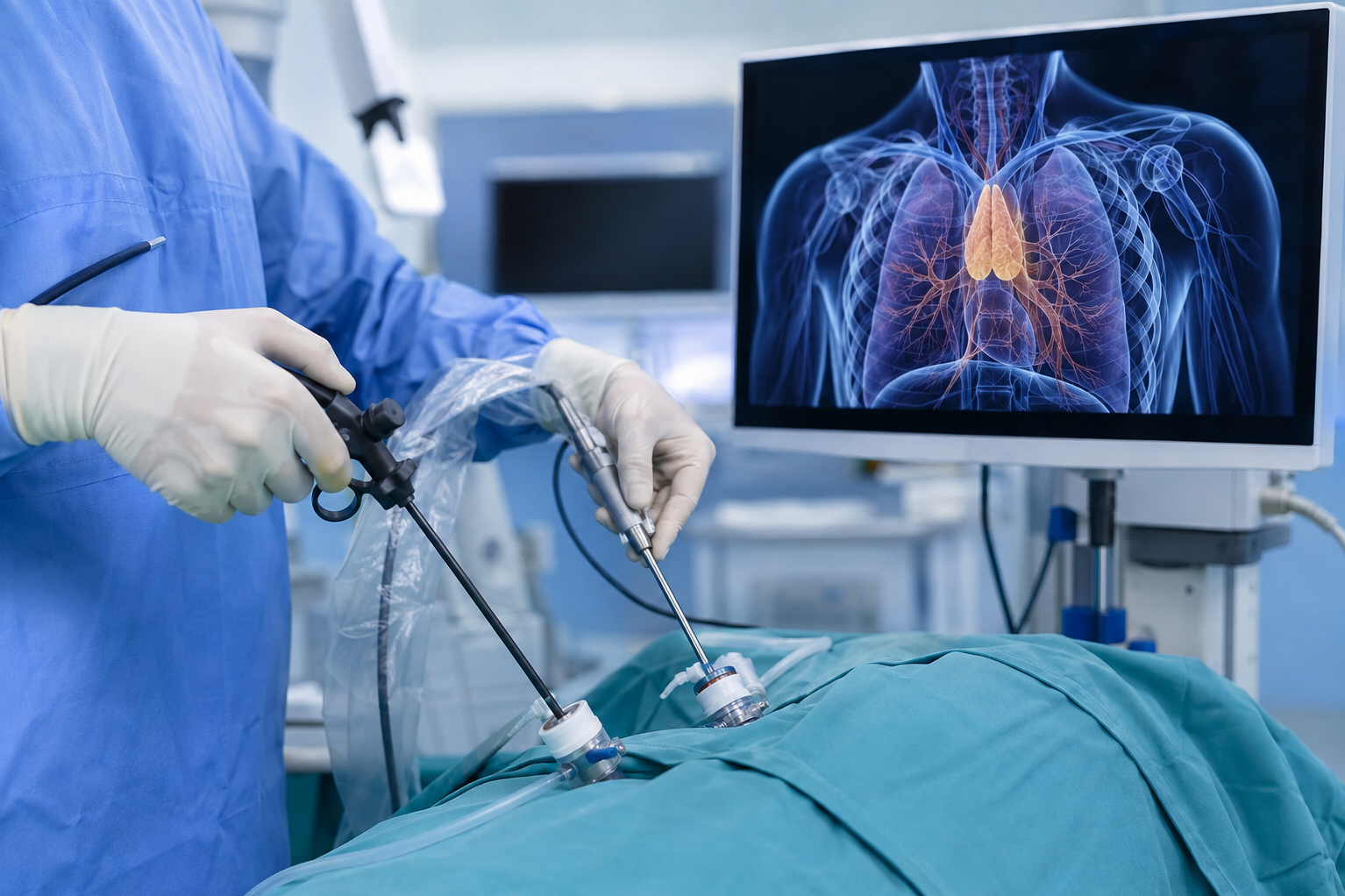
The thymus is a small organ located behind the breastbone in the upper chest. It plays an important role in the development of the immune system during childhood. As people age, the gland gradually becomes less active.
Although it is a relatively small organ, certain medical conditions involving the thymus may require surgical removal.
These include:
- Thymoma (tumour of the thymus)
- Thymic cysts
- Enlarged thymus gland
- Myasthenia gravis in selected patients
- Other uncommon thymic disorders
The need for surgery depends on the diagnosis, imaging findings, and overall health.
Why Is Thymectomy Performed?
A thymectomy is performed to remove the thymus gland either to treat a tumour or to improve symptoms associated with certain autoimmune conditions.
For patients with thymoma, surgery is often the primary treatment. In patients with myasthenia gravis, thymectomy may help improve disease control when recommended by the treating specialist.
The decision is made after careful evaluation by the surgical team.
Investigations Before Surgery
Detailed planning is essential before a thymectomy.
Patients may undergo:
- CT scan of the chest
- MRI in selected cases
- Blood investigations
- Pulmonary function tests
- Cardiac evaluation
- Anaesthesia assessment
Additional neurological assessment may be required for patients with myasthenia gravis.
These investigations help determine the safest and most effective surgical approach.
Surgical Approaches
The technique used depends on the patient's diagnosis and the characteristics of the thymic condition.
Possible approaches include:
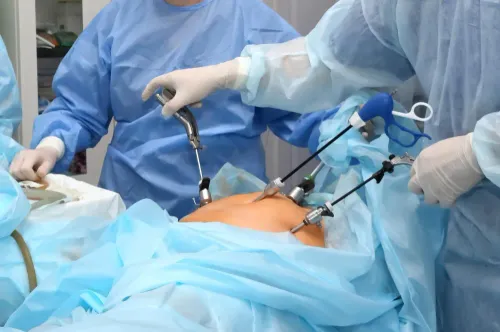
- Minimally invasive thoracoscopic surgery
- Robotic-assisted surgery
- Open surgery when clinically necessary
The surgeon explains the advantages and limitations of each approach before treatment.
Recovery After Thymectomy
Recovery varies depending on the type of surgery performed and the patient's overall health.
General recovery advice includes:
- Walking as early as recommended
- Performing breathing exercises
- Taking medications as prescribed
- Gradually increasing physical activity
- Avoiding heavy lifting during early recovery
- Attending follow-up appointments
Patients with myasthenia gravis continue to be monitored by their neurology team after surgery.
Questions Patients Frequently Ask
Is thymectomy always performed through a large incision?
Not necessarily. Many patients may be candidates for minimally invasive techniques, although this depends on the size and location of the thymic lesion.
Will surgery cure myasthenia gravis?
Thymectomy may improve symptoms in selected patients, but outcomes vary. Ongoing neurological care remains important.
How long is hospital stay?
The duration depends on the surgical approach, postoperative recovery, and any associated medical conditions.
When Should You Consult a Surgeon?
Symptoms such as persistent chest discomfort, imaging showing a mediastinal mass, or a diagnosis of thymoma or myasthenia gravis should prompt timely specialist evaluation. Early planning allows appropriate investigations and treatment before complications develop.
Patients in Charni Road and nearby parts of Mumbai often seek experienced surgeons for advanced minimally invasive procedures. Dr Amol Wagh carefully evaluates each patient before recommending thymectomy, ensuring the treatment plan is based on clinical findings, imaging, and individual health needs. A personalised approach helps patients understand every stage of surgery and recovery with confidence.