Persistent acid reflux is often dismissed as a minor digestive issue. However, when heartburn becomes frequent, medications provide only temporary relief, or reflux starts affecting sleep and daily activities, further evaluation may be necessary. For selected patients with gastroesophageal reflux disease (GERD), Laparoscopic Fundoplication in South Mumbai may offer long-term symptom control.
Understanding how this procedure works and who may benefit from it helps patients make informed decisions about managing chronic reflux.
When Does Acid Reflux Become GERD?
Occasional acidity after a heavy meal is common. GERD develops when stomach acid repeatedly flows back into the food pipe because the lower oesophageal sphincter does not function effectively.
Over time, this repeated exposure to stomach acid can damage the oesophagus and affect quality of life.
Common symptoms include:
- Frequent heartburn
- Sour taste in the mouth
- Regurgitation after meals
- Difficulty swallowing
- Chronic cough
- Hoarseness
- Chest discomfort unrelated to heart disease
Persistent symptoms should always be medically evaluated rather than managed indefinitely with self-medication.
What Is Laparoscopic Fundoplication?
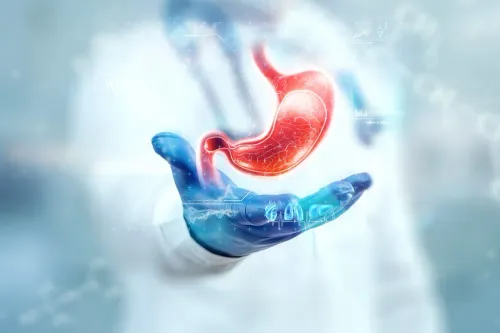
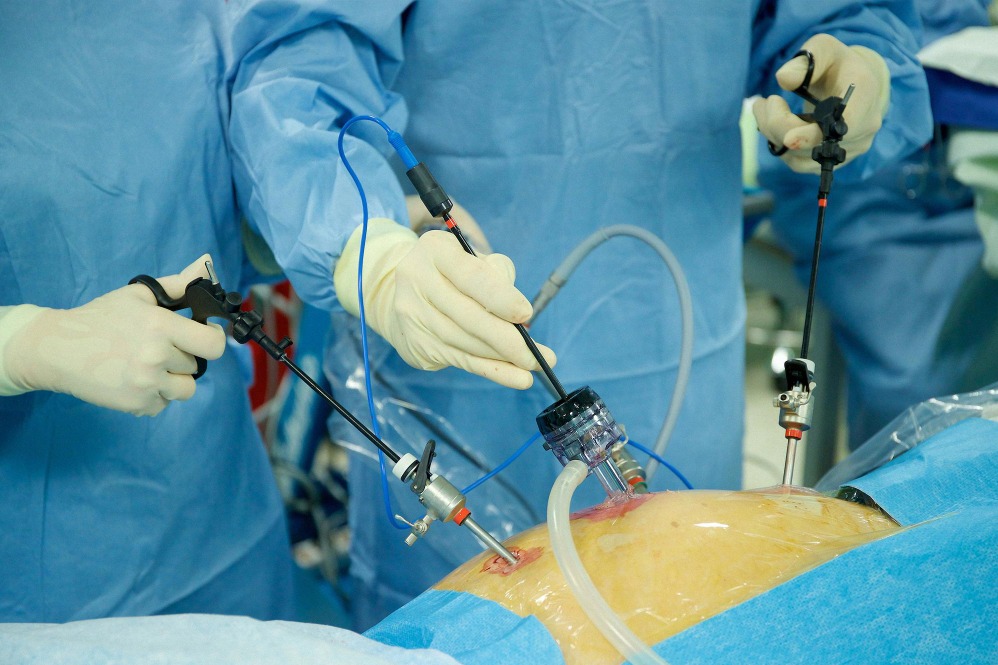
Laparoscopic fundoplication is a minimally invasive procedure performed to strengthen the valve between the oesophagus and the stomach. During surgery, the upper part of the stomach is wrapped around the lower oesophagus to improve its barrier function and reduce acid reflux.
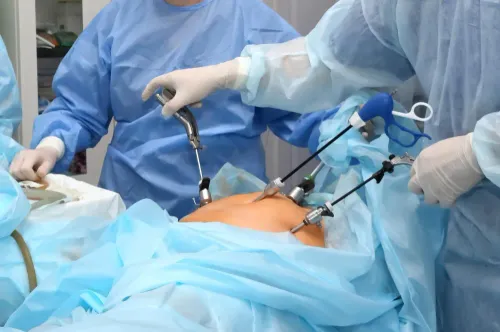
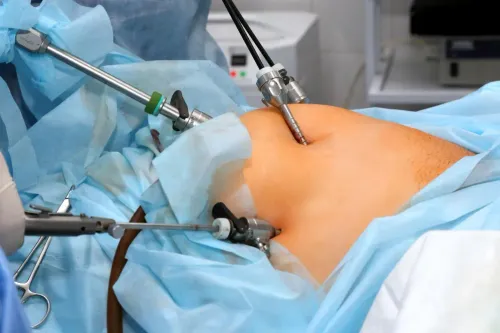
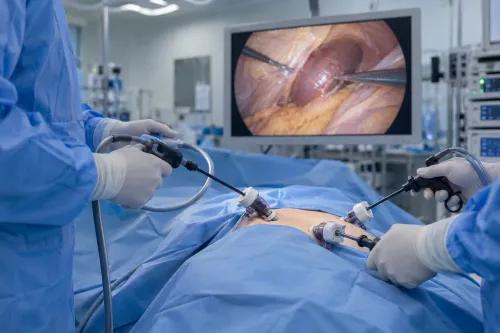
The operation is performed through small incisions using a laparoscopic camera and specialized surgical instruments.
Who May Benefit From This Procedure?
Surgery is not the first treatment for every patient with GERD. It is usually considered after careful evaluation.
Candidates may include individuals who:
- Have persistent reflux despite medication
- Need long-term acid-suppressing medicines
- Experience regurgitation affecting daily life
- Have reflux-related complications
- Have a hiatal hernia associated with GERD
- Prefer a surgical solution after appropriate assessment
The decision is always based on clinical findings and diagnostic investigations.
Tests Before Surgery
Several investigations help determine whether fundoplication is appropriate.
These may include:
- Upper GI endoscopy
- Oesophageal manometry
- pH monitoring
- Barium swallow studies
- Blood investigations
These tests evaluate both the severity of reflux and the function of the oesophagus.
Benefits of the Laparoscopic Approach
Compared with traditional open surgery, laparoscopic fundoplication may offer:
- Smaller incisions
- Reduced postoperative discomfort
- Faster recovery
- Earlier mobilisation
- Shorter hospital stay in suitable cases
- Improved cosmetic results
Individual recovery depends on overall health and the complexity of the procedure.
Recovery After Surgery
Patients are generally advised to follow a gradual recovery plan.
This often includes:
- Starting with liquids before progressing to soft foods
- Eating smaller, frequent meals
- Avoiding heavy lifting during healing
- Walking regularly to promote circulation
- Attending follow-up visits as scheduled
Temporary swallowing difficulty may occur during the early healing phase and usually improves over time under medical guidance.
Lifestyle Habits That Support Long-Term Results
Even after successful surgery, healthy habits contribute to digestive comfort.
Helpful measures include:
- Maintaining a healthy body weight
- Avoiding very large meals
- Reducing late-night eating
- Limiting foods that trigger symptoms
- Quitting smoking if applicable
- Remaining physically active
These lifestyle changes also support overall gastrointestinal health.
Why Specialist Evaluation Matters
Not every patient with acidity requires surgery, and not all reflux symptoms are caused by GERD. A thorough evaluation helps distinguish reflux from other digestive conditions and ensures that surgery is recommended only when appropriate.
Patients across South Mumbai seeking long-term management for chronic reflux often benefit from consulting an experienced gastrointestinal surgeon who can explain both surgical and non-surgical treatment options.
Dr Amol Wagh provides comprehensive assessment for reflux disease using evidence-based clinical evaluation and advanced minimally invasive techniques where indicated. Individualized treatment planning helps ensure that patients receive care suited to their symptoms, investigations, and long-term health goals.