A hernia often starts as a small swelling that appears during standing, lifting heavy objects, or coughing. Many people ignore it because the discomfort seems manageable. However, a hernia does not usually heal on its own and may gradually become larger or more symptomatic over time.
For patients considering Laparoscopic Hernia Repair in Mahalaxmi, understanding when surgery becomes necessary and how minimally invasive techniques work can make treatment decisions easier.
What Is a Hernia?
A hernia occurs when an internal organ or fatty tissue pushes through a weakened area of the abdominal wall or surrounding muscles. The visible bulge may come and go initially but often becomes more noticeable over time.
Several types of hernias are commonly treated, including:
- Inguinal hernia
- Femoral hernia
- Umbilical hernia
- Incisional hernia
- Epigastric hernia
Each type differs in location and may require a tailored surgical approach.
Common Symptoms
Some hernias remain painless initially, while others interfere with everyday activities.
Symptoms may include:
- A visible lump or swelling
- Pain during lifting or bending
- Pulling sensation in the groin
- Heaviness in the abdomen
- Discomfort after prolonged standing
- Swelling that increases with coughing
A sudden increase in pain, redness, vomiting, or inability to push the hernia back may indicate an emergency requiring immediate medical attention.
Why Surgery Is Usually Recommended
Unlike muscle strains, hernias rarely resolve without surgical repair.
Delaying treatment may increase the likelihood of:
- Enlargement of the hernia
- Persistent pain
- Difficulty performing physical activities
- Intestinal obstruction
- Strangulation of trapped bowel tissue
Early surgical evaluation often allows treatment before complications develop.
What Is Laparoscopic Hernia Repair?
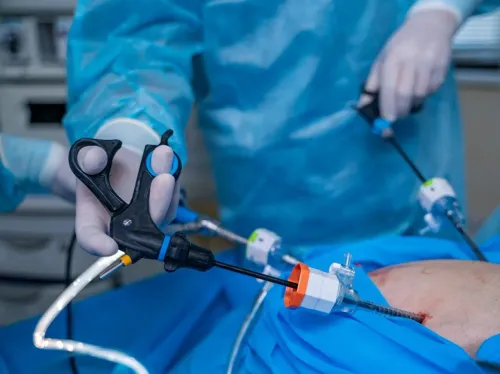
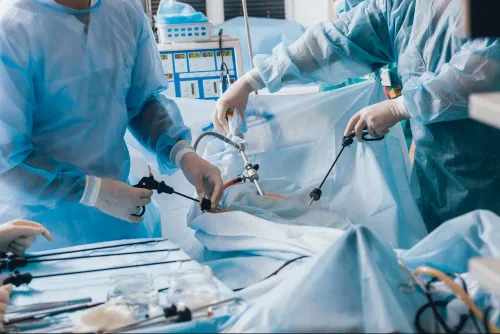
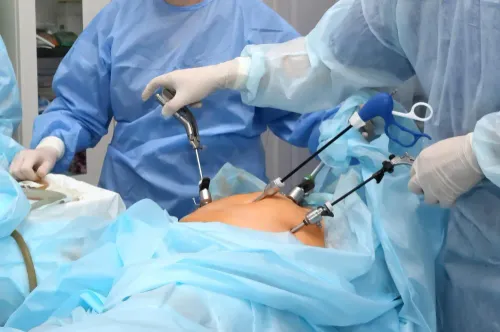
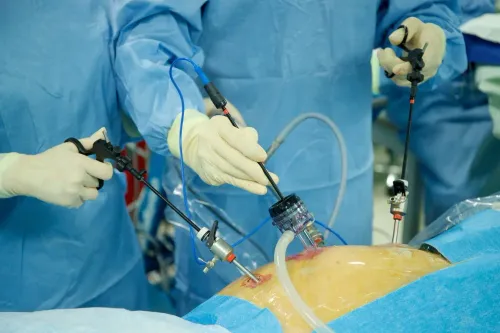
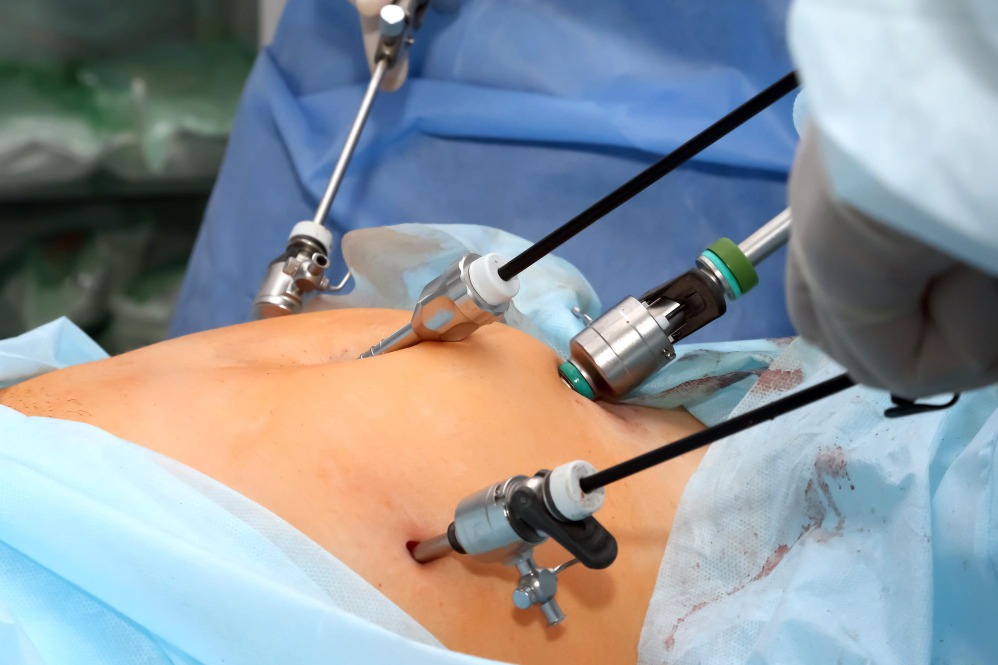
Laparoscopic surgery repairs the weakened abdominal wall using small incisions, specialized instruments, and a high-definition camera.
The procedure generally involves:
- Creating small access points
- Viewing the hernia with a laparoscope
- Returning displaced tissue to its proper position
- Reinforcing the weakened area, often with surgical mesh where appropriate
- Closing the small incisions
The exact technique depends on the hernia type, size, and patient-specific factors.
Benefits of a Minimally Invasive Approach
For appropriately selected patients, laparoscopic repair may offer several advantages.
These may include:
- Smaller incisions
- Reduced postoperative discomfort
- Earlier mobility
- Shorter hospital stay in many cases
- Faster return to routine activities
- Improved cosmetic outcome
- Better visualization of both sides of the abdominal wall when required
The decision between laparoscopic and open surgery should always be based on clinical evaluation.
Who Is a Suitable Candidate?
Many patients may benefit from laparoscopic hernia repair, including those with:
- Bilateral inguinal hernias
- Recurrent hernias
- Small to moderate abdominal wall hernias
- Active lifestyles requiring quicker recovery
- Certain occupational demands
However, previous surgeries, large complex hernias, or specific medical conditions may influence the recommended treatment plan.
Preparing for Surgery
Before surgery, patients usually undergo a detailed assessment that may include:
- Medical history review
- Physical examination
- Blood tests
- Imaging when required
- Medication review
- Anaesthesia consultation
Patients are also advised about fasting, medication adjustments, and postoperative expectations.
Recovery and Aftercare
Recovery depends on the type of hernia repaired and the patient's overall health.
Most postoperative plans include:
- Early walking
- Gradual increase in activity
- Avoiding heavy lifting for a recommended period
- Maintaining a healthy weight
- Managing constipation to reduce abdominal strain
- Following wound care instructions
Regular follow-up appointments help ensure proper healing.
Why Timely Evaluation Matters
Many people wait until a hernia becomes painful before seeking treatment. Unfortunately, delaying assessment may increase the complexity of surgery and the possibility of emergency complications.
Individuals living in Mahalaxmi and nearby areas of Mumbai who notice a persistent swelling or discomfort should arrange an evaluation with an experienced gastrointestinal surgeon rather than relying on temporary supportive measures.
Dr Amol Wagh evaluates each patient individually, considering the type of hernia, lifestyle, medical history, and long-term outcomes before recommending the most appropriate surgical approach. Early diagnosis and timely treatment can often help patients return to normal activities with greater comfort and confidence.