The liver performs hundreds of essential functions, including filtering toxins, producing proteins, and supporting digestion. When a liver tumour or another liver condition requires surgery, patients often worry about the complexity of the procedure and the recovery involved. Advances in minimally invasive techniques have made Laparoscopic Hepatic Resection in Kemps Corner a suitable option for carefully selected patients, offering precision while reducing the impact of surgery.
Knowing when laparoscopic liver surgery is recommended can help patients discuss treatment options more confidently with their surgeon.
What Is a Hepatic Resection?
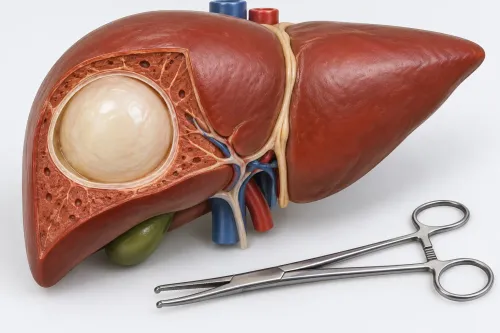
A hepatic resection is the surgical removal of a portion of the liver. Unlike many other organs, the liver has a remarkable ability to regenerate, allowing healthy liver tissue to continue functioning after surgery.
The amount of liver removed depends on:
- The size of the lesion
- Its location within the liver
- Whether it is benign or cancerous
- The overall health of the remaining liver tissue
- The patient's general medical condition
Every surgical plan is tailored to the individual rather than following a standard approach.
When Is Liver Surgery Recommended?
Liver surgery may be considered for several conditions, including:
- Primary liver cancer
- Liver metastases from colorectal cancer
- Benign liver tumours causing symptoms
- Certain liver cysts
- Selected liver infections
- Traumatic liver injuries in specific situations
Not every liver lesion requires surgery. Some conditions are monitored, while others may be treated using different medical or interventional techniques.
How Does Laparoscopic Liver Surgery Work?
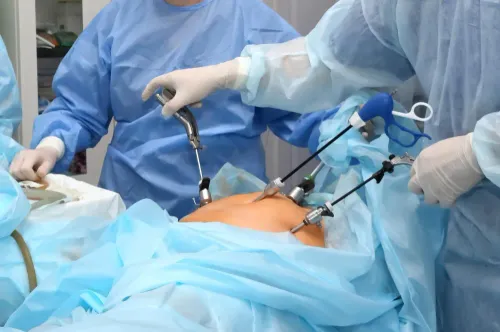
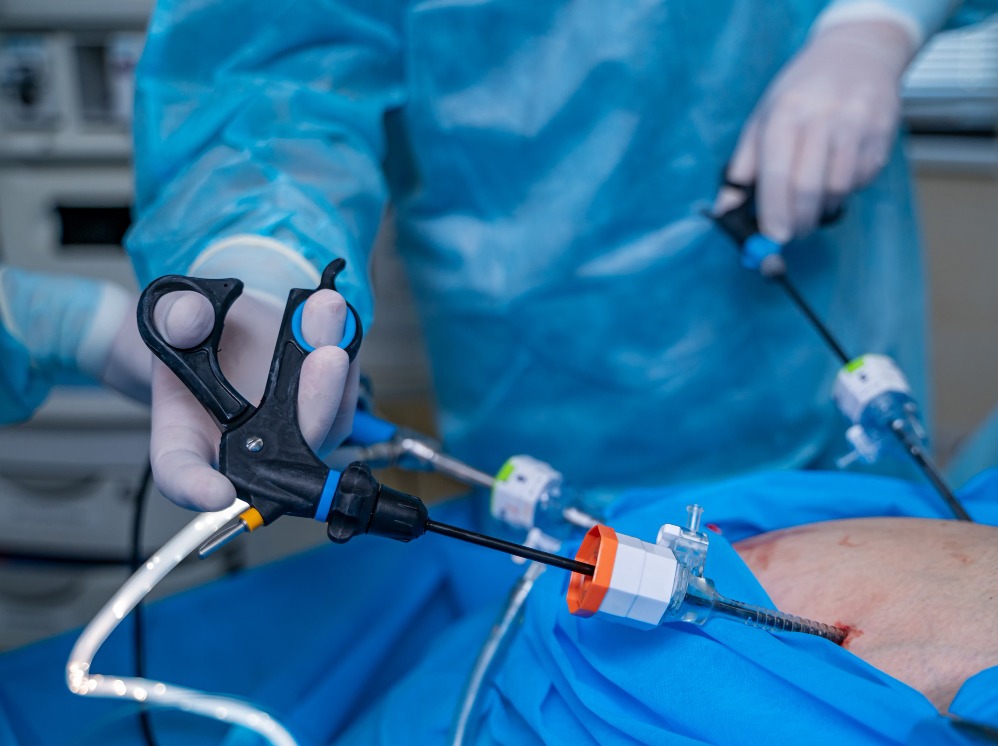
During laparoscopic hepatic resection, the surgeon performs the operation through small incisions using a high-definition camera and specialised instruments.
Compared with conventional open surgery, this technique allows excellent visualisation of the liver while minimising disruption to surrounding tissues.
Depending on the location of the lesion, only the affected portion of the liver is removed while preserving as much healthy tissue as possible.
Benefits of the Laparoscopic Approach
When appropriate, minimally invasive liver surgery may offer several advantages.
These may include:
- Smaller incisions
- Reduced postoperative discomfort
- Lower blood loss in many procedures
- Earlier mobilisation
- Shorter hospital stay for suitable patients
- Faster recovery compared with open surgery
- Improved cosmetic healing
The exact benefits vary depending on the complexity of the surgery and the patient's health.
What Evaluations Are Needed Before Surgery?
Liver surgery requires detailed planning.
Patients may undergo:
- Blood investigations
- Liver function tests
- CT scan or MRI
- Ultrasound evaluation
- Anaesthesia assessment
- Cardiac fitness evaluation when required
These investigations help determine whether laparoscopic surgery is appropriate and ensure adequate liver function after the procedure.
Recovery After Hepatic Resection
Recovery depends on the extent of surgery and the patient's overall condition.
Patients are generally advised to:
- Begin walking early after surgery
- Follow dietary recommendations
- Avoid strenuous activity until cleared
- Attend regular follow-up visits
- Monitor wound healing
- Report fever, persistent pain, or jaundice promptly
Most individuals gradually resume normal activities under their surgeon's guidance.
Questions Patients Frequently Ask
Can the liver grow back?
The liver has the unique ability to regenerate after a portion is removed, provided the remaining liver is healthy.
Is laparoscopic surgery suitable for every liver tumour?
No. The decision depends on tumour size, location, number of lesions, liver function, and overall medical condition.
Will I need long-term follow-up?
Many patients require regular follow-up imaging and blood tests, especially when surgery is performed for cancer.
Making an Informed Decision
Patients living in Kemps Corner and nearby parts of Mumbai benefit from early consultation if imaging detects a liver lesion or persistent liver-related symptoms. Prompt evaluation allows treatment planning before the disease progresses further.
Dr Amol Wagh provides comprehensive assessment for patients requiring liver surgery, carefully evaluating imaging findings, liver function, and overall health before recommending the most suitable surgical approach. Individualised treatment planning helps patients understand both the procedure and the recovery process with clarity and confidence.