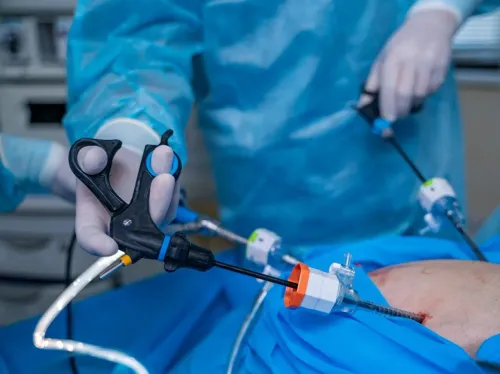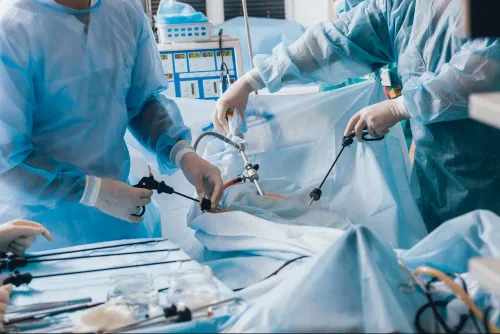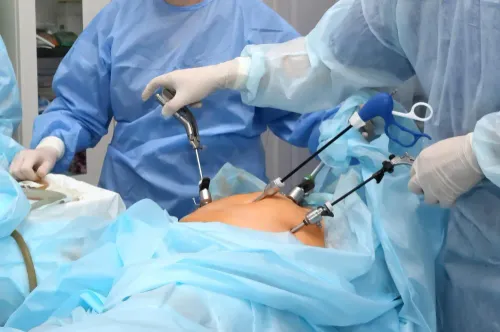
Piles, also known as haemorrhoids, affect people of all ages and can make everyday activities uncomfortable. Symptoms such as bleeding during bowel movements, itching, swelling, and pain often lead patients to seek medical advice. While lifestyle changes and medication may help in the early stages, advanced haemorrhoids sometimes require surgery. In such cases, Laser Ablation of Hemorrhoids in Girgaon has emerged as a minimally invasive treatment option for selected patients.
Understanding how laser treatment differs from conventional piles surgery helps patients make informed decisions about their care.
What Are Haemorrhoids?
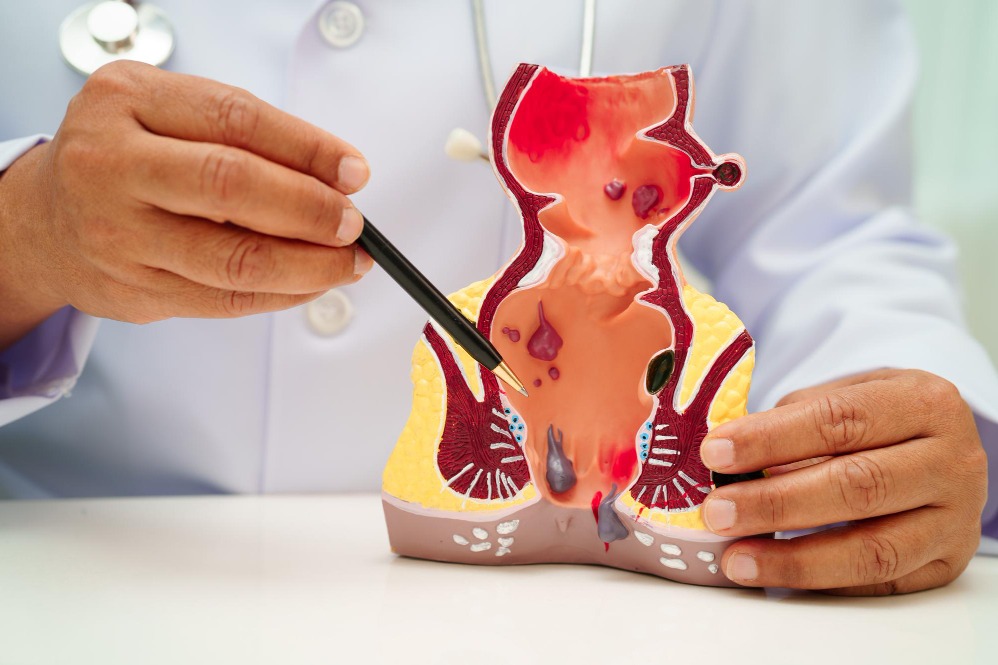
Haemorrhoids are swollen veins in the lower rectum or around the anus. They may develop due to increased pressure in the area and can be internal or external.
Common risk factors include:
- Chronic constipation
- Straining during bowel movements
- Pregnancy
- Obesity
- Prolonged sitting
- Low-fibre diet
- Heavy lifting
Early diagnosis often prevents symptoms from worsening.
Symptoms That Should Not Be Ignored
Although piles are common, rectal bleeding should never be assumed to be harmless without medical evaluation.
Symptoms may include:
- Bright red bleeding during bowel movements
- Pain while passing stools
- Itching around the anus
- Swelling or lumps
- Mucus discharge
- Feeling of incomplete bowel emptying
A proper examination helps rule out other conditions with similar symptoms.
What Is Laser Ablation?
Laser ablation is a minimally invasive procedure that uses laser energy to treat haemorrhoidal tissue with minimal damage to surrounding structures.
Unlike traditional surgery, laser treatment generally focuses on reducing the blood supply to the haemorrhoids, allowing them to shrink over time.
The choice between laser treatment and conventional surgery depends on the grade of haemorrhoids and the patient's overall condition.
Who May Be a Candidate for Laser Treatment?
Laser treatment may be considered for patients with:
- Symptomatic internal haemorrhoids
- Recurrent bleeding
- Persistent discomfort despite medication
- Selected Grade II and Grade III piles
- Certain Grade IV cases after specialist assessment
Not every patient is suitable for laser treatment, making individual evaluation important.
Recovery After Laser Ablation
Recovery is often quicker than traditional surgery, but patients still need to follow postoperative instructions.
These generally include:
- Eating a high-fibre diet
- Drinking plenty of water
- Avoiding constipation
- Walking regularly
- Taking medications as prescribed
- Attending follow-up appointments
Good bowel habits also reduce the likelihood of future symptoms.
Preventing Future Haemorrhoids
While treatment addresses existing piles, healthy lifestyle choices can lower the risk of recurrence.
Helpful habits include:
- Increasing dietary fibre
- Staying hydrated
- Exercising regularly
- Avoiding prolonged sitting on the toilet
- Responding promptly to the urge to pass stools
- Maintaining a healthy weight
These measures support long-term colorectal health.
Seeking the Right Medical Advice
People in Girgaon and surrounding areas of Mumbai who experience ongoing rectal bleeding, pain, or swelling should seek medical evaluation instead of relying solely on home remedies. Early diagnosis allows treatment to begin before symptoms become more severe.
Dr Amol Wagh assesses each patient carefully to determine whether laser ablation or another treatment option is the most appropriate choice. By combining clinical evaluation with minimally invasive surgical expertise, patients receive personalised care based on the severity of their condition and their individual health needs.