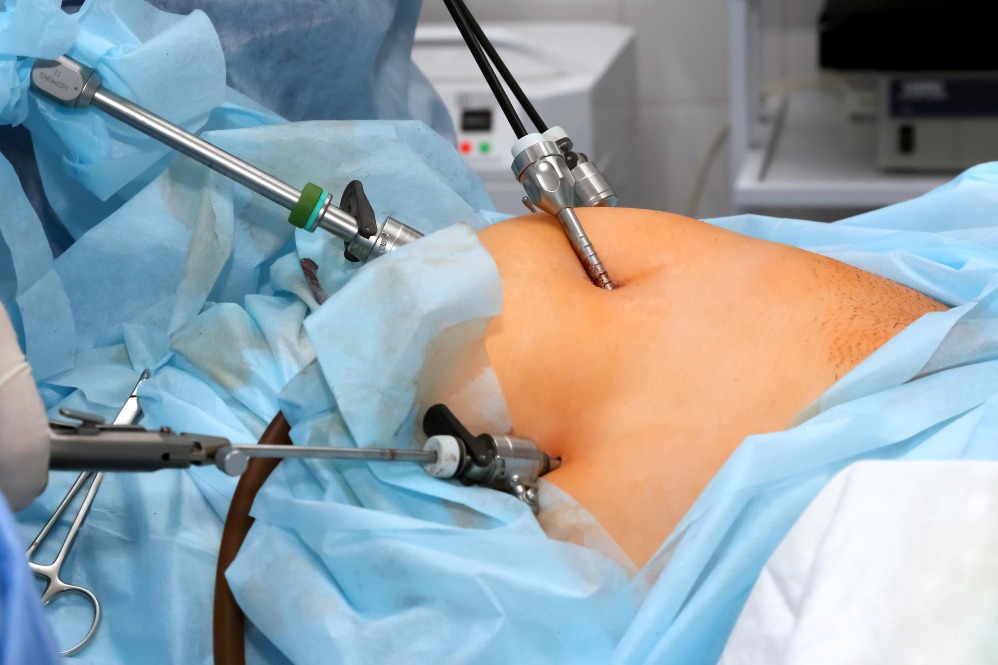
Gallstones are one of the most common digestive conditions affecting adults. While some people may never experience symptoms, others develop recurring abdominal pain, nausea, and digestive discomfort that can significantly affect their quality of life. When gallstones begin causing repeated problems, Laparoscopic Cholecystectomy in Grant Road is often considered the standard surgical treatment.
For residents of Mumbai, understanding when gallbladder surgery becomes necessary and what recovery involves can make the treatment journey less overwhelming.
Why Do Gallstones Develop?
The gallbladder stores bile, a digestive fluid produced by the liver. Gallstones form when substances in bile, such as cholesterol or bilirubin, become imbalanced and crystallize into stones.
Several factors may increase the likelihood of developing gallstones, including:
- Increasing age
- Obesity
- Rapid weight loss
- High-fat diets
- Family history
- Diabetes
- Pregnancy
- Certain medications
Not everyone with gallstones requires treatment, but symptoms should never be ignored.
Signs That Gallstones May Need Medical Attention
Many patients initially mistake gallstone pain for acidity or indigestion. However, the discomfort often follows a distinct pattern.
Common symptoms include:
- Sharp pain in the upper right abdomen
- Pain after eating fatty meals
- Nausea or vomiting
- Bloating
- Pain spreading to the back or right shoulder
- Episodes lasting from a few minutes to several hours
If accompanied by fever, jaundice, or severe continuous pain, immediate medical evaluation is necessary as complications may have developed.
What Is Laparoscopic Cholecystectomy?
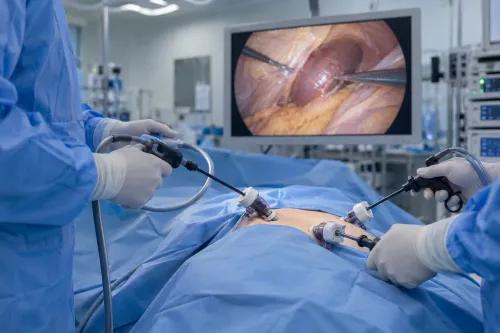
Laparoscopic cholecystectomy is a minimally invasive procedure to remove the gallbladder through a few small incisions. A tiny camera provides a magnified view of the surgical area, allowing the surgeon to remove the gallbladder with specialized instruments.
Compared with traditional open surgery, this technique generally results in:
- Smaller incisions
- Less postoperative discomfort
- Reduced blood loss
- Faster recovery
- Shorter hospital stay for many patients
- Smaller scars
The procedure is widely performed and has become the preferred option for most uncomplicated gallbladder conditions.
Can You Live Without a Gallbladder?
Yes. The liver continues producing bile even after the gallbladder is removed. Instead of being stored, bile flows directly into the intestine, allowing digestion to continue normally.
Most patients gradually return to their regular diet, although some may benefit from limiting very fatty foods during the initial recovery period.
What Happens Before Surgery?
A detailed assessment helps confirm whether surgery is the right option.
This may include:
- Physical examination
- Blood investigations
- Ultrasound of the abdomen
- Additional imaging if required
- Anaesthesia assessment
- Review of current medications
Your surgeon will also discuss the expected benefits, possible risks, and postoperative recovery.
Recovery After Laparoscopic Surgery
Recovery is generally quicker than with open surgery, although healing varies from person to person.
Patients are usually encouraged to:
- Walk on the day of or shortly after surgery
- Drink adequate fluids
- Eat light meals initially
- Avoid strenuous lifting for a few weeks
- Attend scheduled follow-up appointments
Most people gradually resume work and routine activities based on their surgeon's advice.
When Should You Avoid Delaying Treatment?
Ignoring repeated gallstone attacks can increase the risk of complications such as:
- Acute cholecystitis (gallbladder inflammation)
- Infection
- Blockage of the bile duct
- Pancreatitis
- Emergency surgery
Seeking medical advice after recurring symptoms often allows treatment before these complications develop.
Choosing an Experienced Surgical Team
Patients in Grant Road and surrounding parts of Mumbai often look for minimally invasive surgical options that combine safety, precision, and individualized care. The choice of surgeon plays an important role in treatment planning, especially when additional medical conditions or previous surgeries are involved.
Dr Amol Wagh evaluates each patient carefully before recommending surgery, ensuring that treatment decisions are based on clinical findings, imaging results, and overall health. A timely consultation can help patients understand whether laparoscopic gallbladder surgery is the most appropriate solution for their symptoms.